what is this

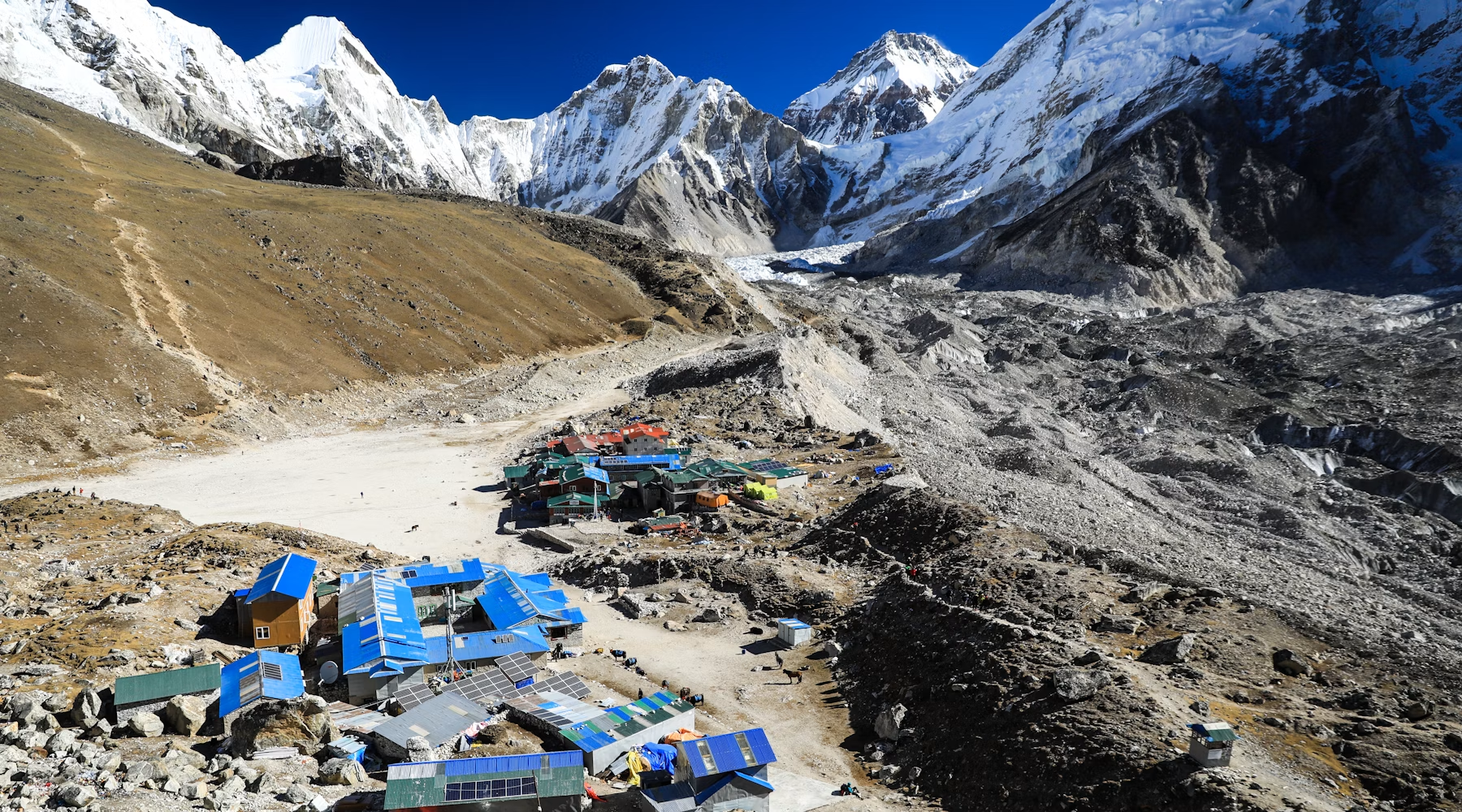
Find your route. Match your pace. Trek Nepal your way, with a trek that suits your time, experience, and what you want to see.
Nepal offers trekking routes for almost every level of experience, from short Himalayan walks to multi-week journeys across high mountain passes. The main regions include Everest, Annapurna, Langtang, and Manaslu, each with its own terrain, altitude, and walking conditions.
Trails rise from forested valleys and terraced hills into alpine country, reaching destinations such as Everest Base Camp, Annapurna Base Camp, Mardi Himal, Poon Hill, and Larke Pass.
The Poon Hill Trek reaches 3,210 metres and takes around four to five days, making it a practical choice for families, first-time trekkers, and travellers with limited time. The Mardi Himal Trek climbs to around 4,500 metres, while the Annapurna Base Camp Trek reaches 4,130 metres.
For a longer Himalayan journey, the Everest Base Camp Trek generally takes 12 to 14 days. The Manaslu Circuit Trek crosses Larke Pass at 5,106 metres and requires more time, preparation, and experience with high-altitude trekking.
Choosing the right trek depends on your available days, fitness, previous trekking experience, and comfort with altitude. Our itineraries are planned around gradual altitude gain, sensible acclimatization, realistic walking hours, and the conditions of each route.

Trekking in Nepal takes you into places where mountain life remains closely connected to the trail. Depending on the route, you may walk through terraced farmland, cross suspension bridges, pass stone houses, and reach villages where farming, herding, and local trade remain part of everyday life.
The culture changes from one region to another. In Langtang, Tamang communities and Buddhist traditions shape the valley, with monasteries and village settlements along the route.
In the upper Manaslu region, Tibetan Buddhist influence becomes more prominent through chortens, mani walls, prayer flags, monasteries, and traditional mountain architecture. Around Annapurna, Gurung, Magar, and Thakali communities bring their own languages, food, customs, and village traditions.
This cultural variety is one of the defining features of trekking in Nepal. A short trek can bring you into a mountain community within a few days, while a longer route can take you through several distinct cultural regions as the landscape and altitude change.
You meet people where they live, see how communities adapt to the mountains, and experience traditions that are closely connected to the places you walk through.
From a three-day trek to Poon Hill to a three-week trek across the Everest High Passes, our packages cover Nepal's best-known trekking destinations. Filter by the number of days you have or the altitude you want to reach, then compare routes ranging from teahouse treks below 3,500 meters to demanding high mountain passes above 5,000 meters.


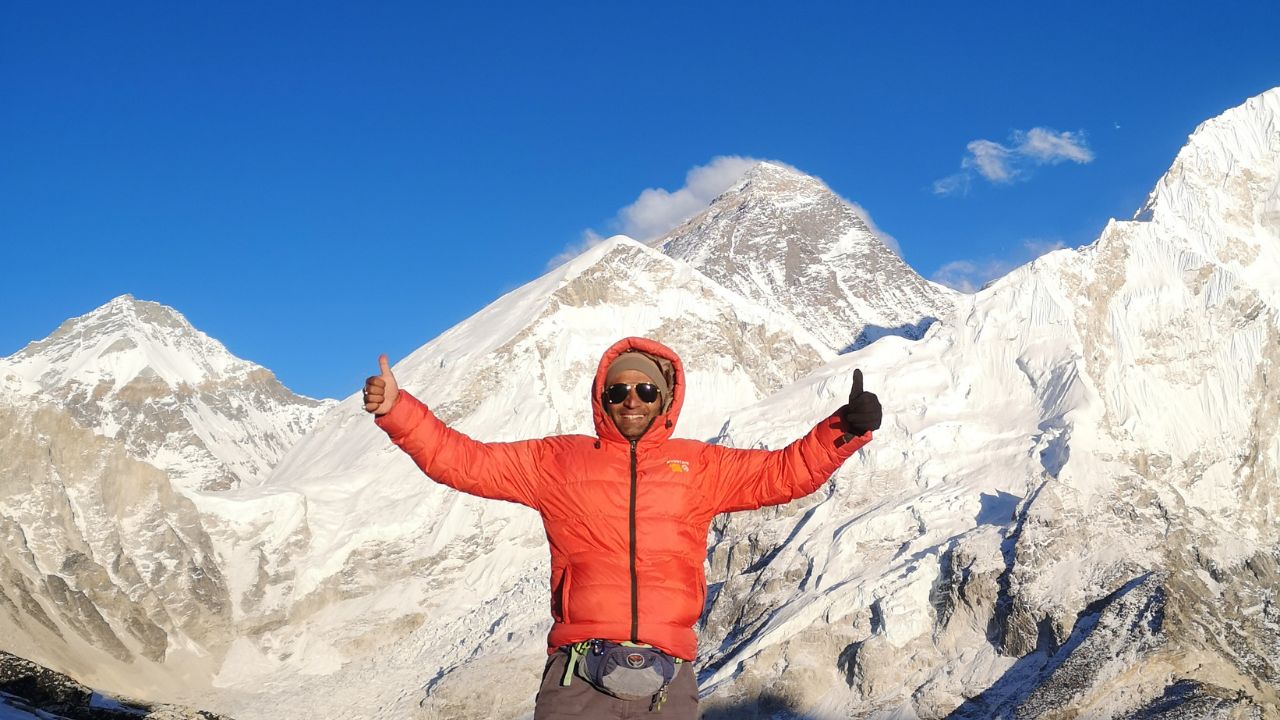
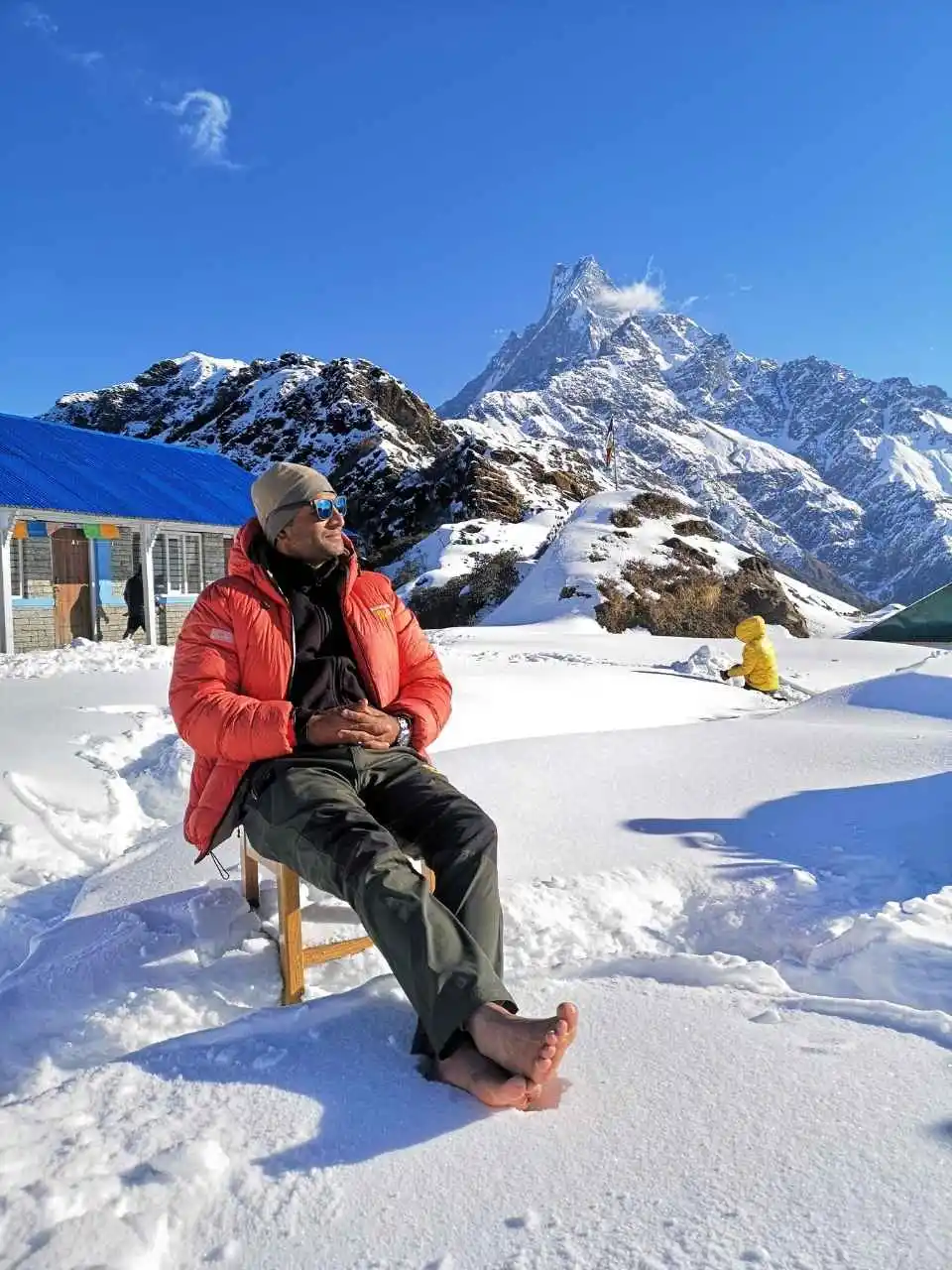

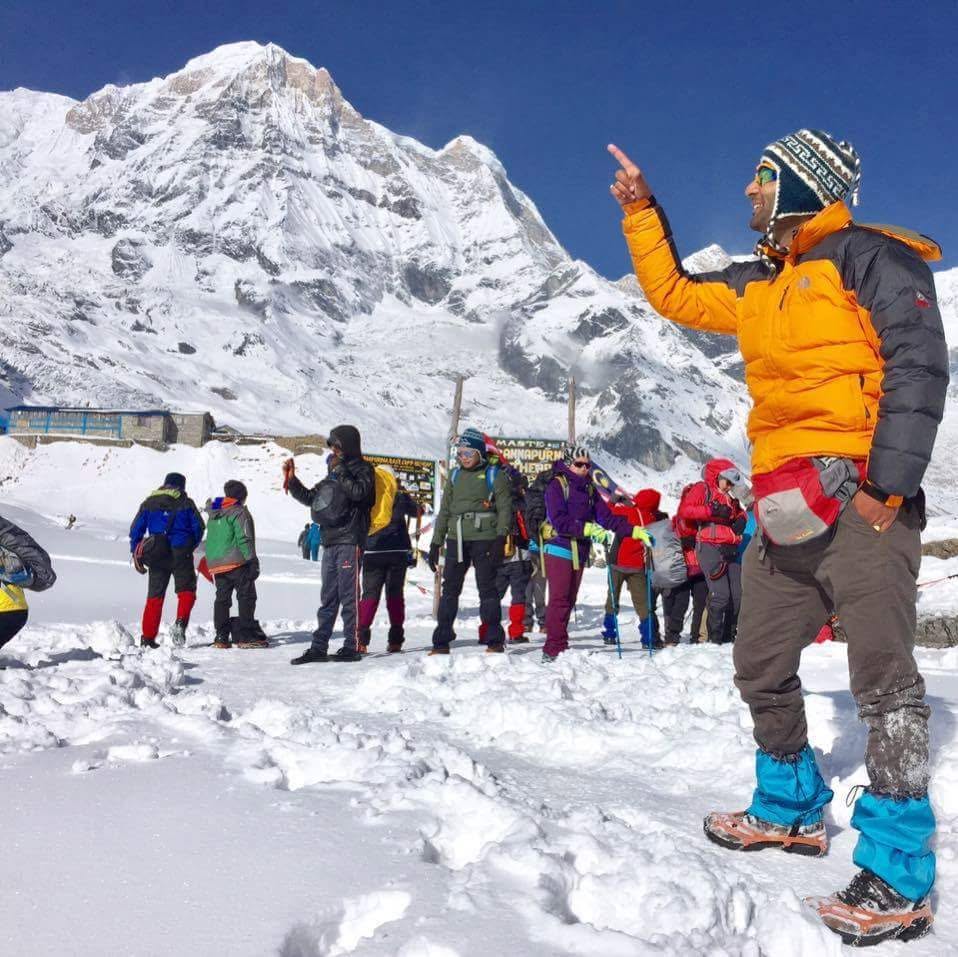


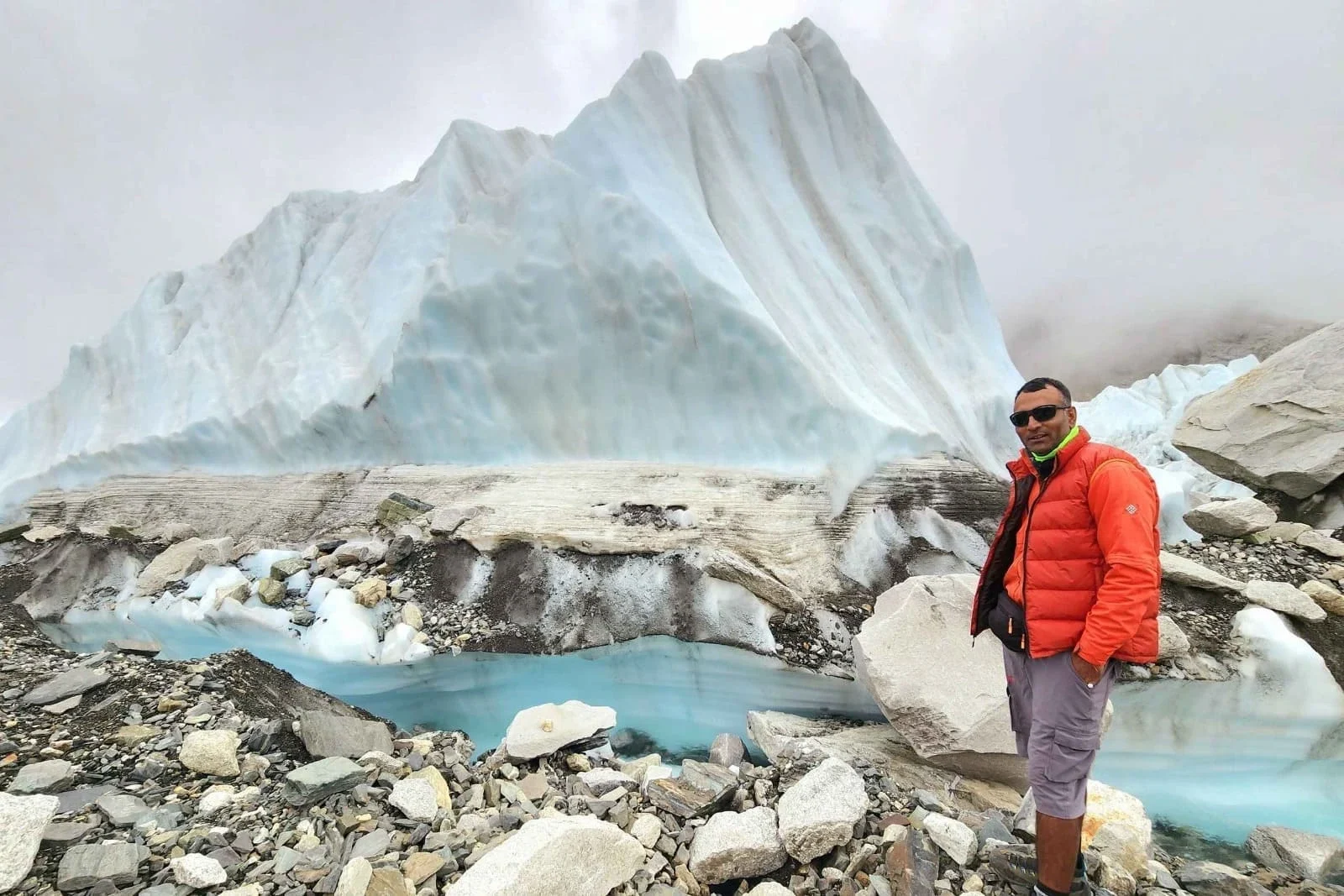
I was fourteen when I carried my first load as a porter in the Annapurna region. I earned eighty rupees a day and carried thirty-five kilos on my back. On that first trek, a client gave me a hundred-dollar tip. I had never seen that much money before, and it made me think I could build my life in these mountains.
I could not speak English then, so I bought some old English books and practiced in front of a mirror every day. In 2000, I became a licensed guide, and in 2010, I started Mountain World Treks & Expedition.
Not sure which route fits you? Compare the key facts side by side.
| Trek | Duration | Difficulty | Max Altitude | Best Season | Fitness | Trip Style | |
|---|---|---|---|---|---|---|---|
| Annapurna Base Camp Trek | 10 Days, Cost & Itinerary 2027 | 10 Days | Moderate | 4,130m | March-May/Sep-Dec | Good Physical Fitness | Guided Teahouse Trek | |
| Everest Base Camp Trek | 14 Days itinerary, Cost & Best Time | 14 Days | Challenging | 5,545m | March-May/Sep-Dec | Moderate to Good | Guided Teahouse Trek | |
| Mardi Himal Trek | Itinerary, Cost & Difficulty 2026/27 | 8 Days | Moderate | 4,500 m | March-May/Sep-Dec | Basic Fitness Required | Guided Teahouse Trek |
Every season has its own character. Match your travel window to the right experience.
Wet trails and clouds, with fewer trekkers on most routes
Cold conditions, quiet trails, and snow at higher elevations
Warm days, clear mountain views, rhododendrons in bloom
Stable weather and clear mountain views
Every trek is rated by our guides based on daily hours, altitude gain, and terrain.

Gentle trails suitable for families, first-time trekkers, and those with limited hiking experience. Well-maintained paths with plenty of rest stops.

Some steep sections and altitude gain. Previous hiking experience helpful. Most popular Nepal treks fall here — accessible to fit, determined hikers.
Every trek changes people. Here are a few who let us share their journey.
Saligram
Mardi Himal Trek | Itinerary, Cost & Difficulty 2026/27
Saligram
Everest Base Camp Trek with Helicopter Return |12 Days Plan
Saligram
Everest Base Camp Trek | 14 Days itinerary, Cost & Best Time

Here’s the copy with every em dash replaced: Mardi Himal Trek A short trek through forest and mountain villages that ends at…
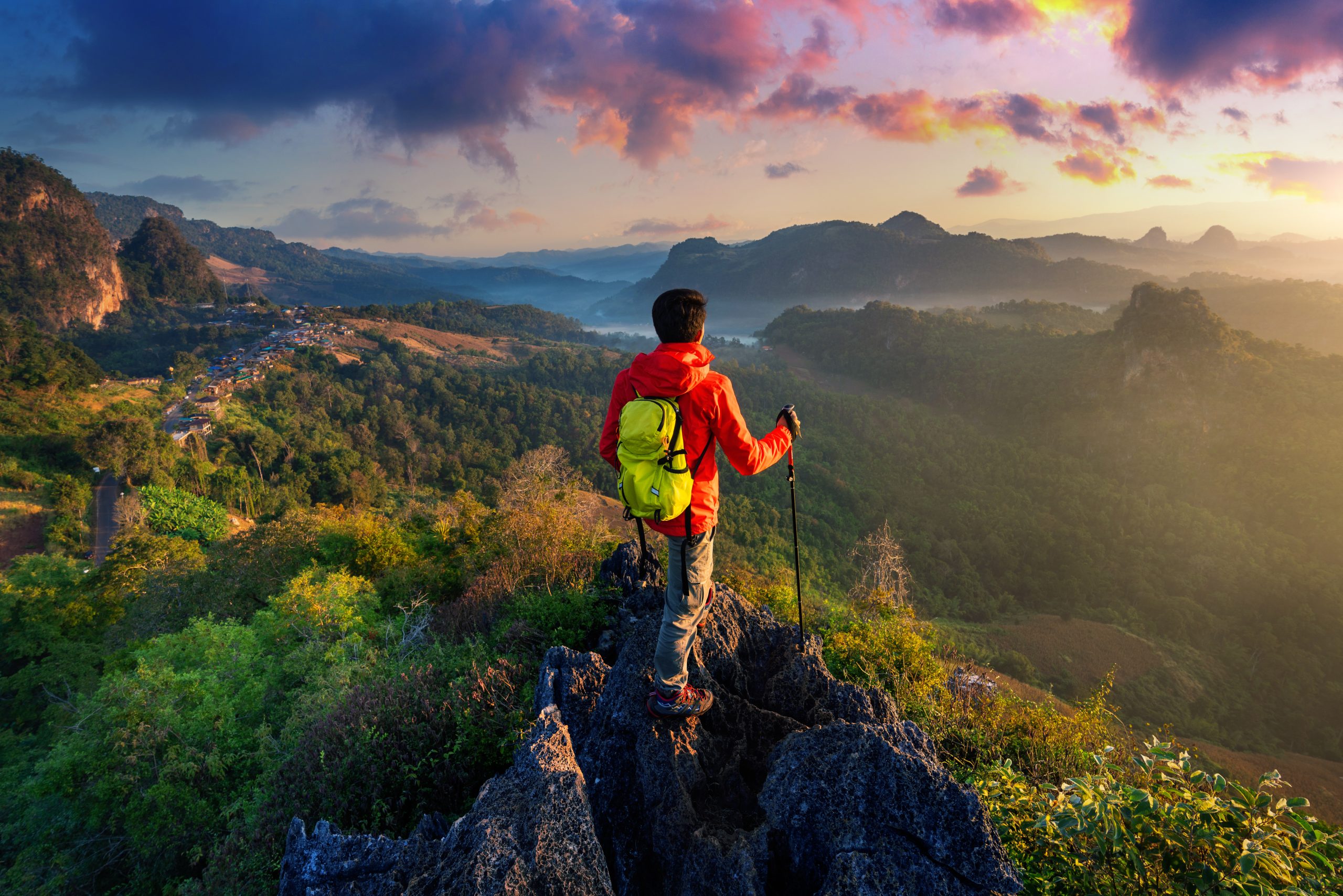
Wilderness first-aid certified guides on every trip. Emergency protocols, oxygen supply and rapid evacuation procedures in place at all times
Altitude sickness is the primary risk on EBC. Our itinerary and guides are designed around your safety.
No formal mountaineering experience is required, but you should be in good physical condition. You should be comfortable walking 6–8 hours per day on rough mountain trails. We recommend at least 3 months of preparation including long hikes with a loaded backpack.
Still have questions? Our team responds within 24 hours.
Talk to a Local ExpertJoin over 3,000 trekkers who've trusted Mountain World Treks to guide their Himalayan adventure safely and unforgettably.

Registered tourism company

Trekking Agencies Association

Authorised tour operator

Nepal Mountaineering Association
Certificate of excellence

International travelers