Best EBC experience-Apr
Riddhi
India

From Kathmandu to Everest Base Camp (5,364 m), following the classic Khumbu trail through the Everest region.
The Everest Base Camp Trek takes you through the Khumbu Valley to Everest Base Camp at 5,364 m and Kala Patthar at 5,545 m. You don’t need climbing experience, but you should be comfortable walking for several hours each day, including uphill and downhill sections.
I started in the Himalayas as a porter in 1996 and became a government-licensed trekking guide in 2002. Since then, I’ve taken hundreds of trekkers to Everest Base Camp. I’ve guided young hikers, families, older trekkers and plenty of first-time trekkers.
A person can be very fit and still have trouble with altitude.
I remember guiding a 66-year-old father and his 31-year-old son. His son was 6’3″ and over 100 kg. At Lobuche, he developed a headache, nausea and dizziness. He reached Base Camp but was struggling badly by then. His father had no problems at all.
That’s why I tell trekkers not to chase the person in front. Find your own pace and keep it. There is no prize for reaching the teahouse first.
We have two acclimatization days, one in Namche Bazaar and one in Dingboche. You stay an extra night at each place, take a short hike and then continue higher.
From Lukla, the trail takes you through Phakding, Namche, Tengboche and Dingboche. From there, you continue through Thukla and Lobuche to Gorak Shep and Everest Base Camp.
Yaks and donkeys carry food, gas and other supplies along the same trail. They get the right of way. Move to the inside of the trail when they approach. If you’re on a suspension bridge, wait for them to cross. Don’t try to squeeze past a yak.
At Gorak Shep, most trekkers climb Kala Patthar early the next morning for sunrise. I also like the evening climb when the weather is good. You can watch the light change across Everest and Nuptse without getting up before dawn.
Most days you’ll walk for about 5 to 7 hours. A few days are closer to 7 or 8 hours. Altogether, expect roughly 130 km on foot.
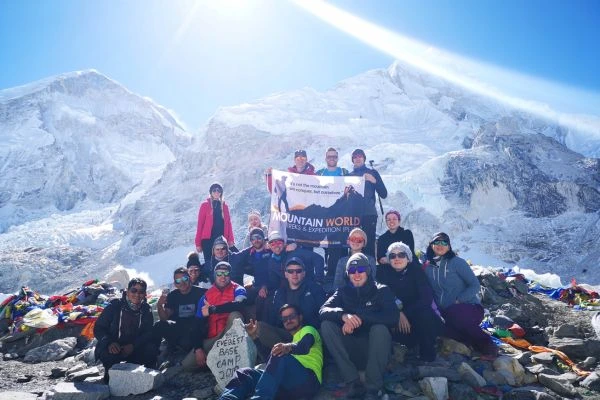
Ready to go?
Download Day-by-Day Itinerary
Flights to Lukla operate from Kathmandu or Ramechhap Airport, depending on the season. During the main trekking seasons, flights usually depart from Ramechhap Airport, which is about a 5 to 6-hour drive from Kathmandu. Outside these periods, flights may operate directly from Kathmandu to Lukla.
The flight from Ramechhap to Lukla takes about 15 minutes, while the flight from Kathmandu to Lukla takes around 30 minutes. Weather can affect flight schedules and may cause delays. For flight routes, baggage limits, seasonal schedules, and weather-related delays, see our Lukla flight guide. You can also contact us for the latest flight information before booking your trek.
Total Distance
Walking Days
Accommodation
Meals
Transportation
Group Size
Guide
Porter
Best Season
Fitness Level
Permit
Trip Style
Starts
Ends
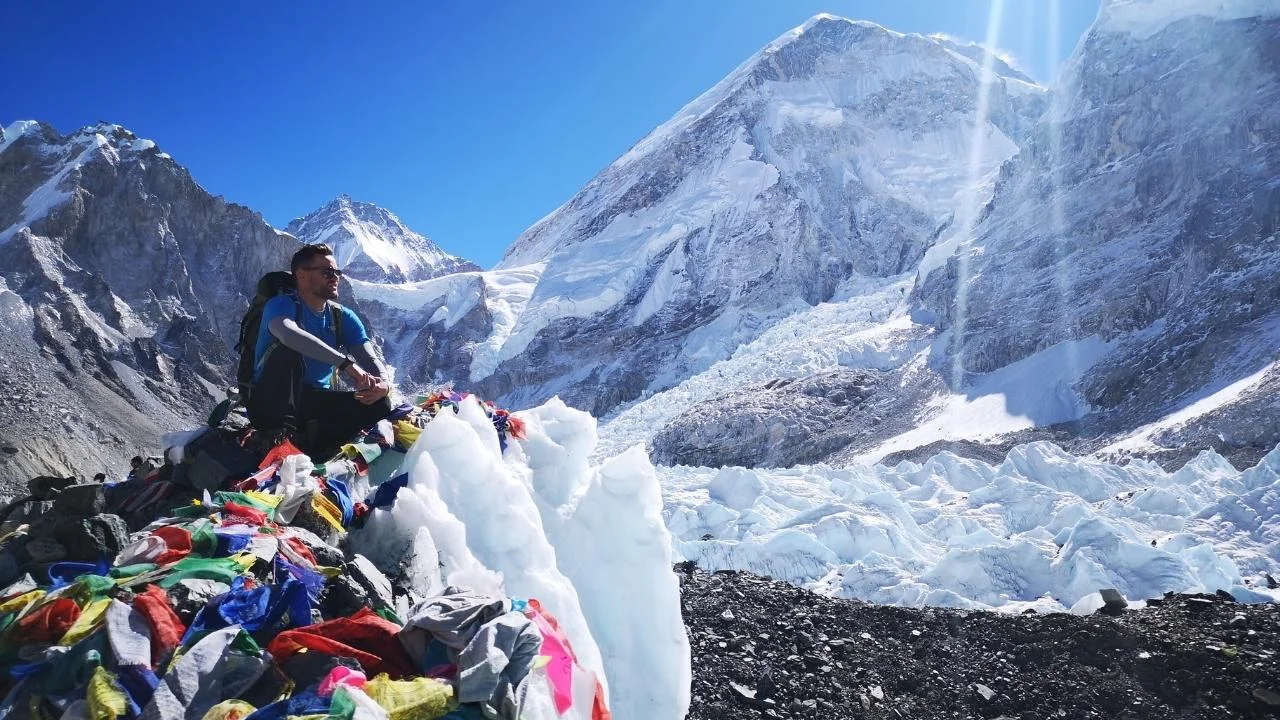
Many people choose the Everest Base Camp Trek because they want to walk into the Everest region and experience the mountains up close.
The trail takes you through the Khumbu valley, from lower mountain villages to the high Himalayan landscape around Everest. Along the way, you stay in local lodges, cross suspension bridges, pass Buddhist monasteries and gradually gain altitude as the scenery changes.
The trek is also about the journey itself. You spend days walking through the mountains, meet people from the local communities and get a chance to see how life works in the Khumbu.
Stay in family-run mountain lodges and experience simple life in the Khumbu.
Cross high bridges above the Dudh Koshi River and other mountain streams.
Watch the changing light across the Himalayan peaks from villages and high viewpoints.
Share the trail with local porters, yak trains and people who live and work in the Khumbu.
When you choose a trekking company, you are also choosing the people who will look after you in the mountains. It is not just about comparing itineraries and prices. You are trusting someone with your time, your safety, and many days walking at altitude. I know this from both sides. I started my trekking career as a porter in 1996, long before I had a company of my own. Today, I still guide trekkers myself, and Mountain World Treks remains a small company where I know our guides, the way we work, and the people we take into the mountains.
Saligram Started as a Trekking Porter
Became a Licensed Guide
Founded Mountain World Treks
Still Actively Guiding Treks in Nepal
Years of Experience, From Porter to Founder
Our TripAdvisor ranking comes from trekkers who travelled with us. Their reviews reflect what guests actually experienced with our guides, from the first day on the trail to the end of their trek.
Saligram cannot lead every trek, so he trains the guides who work with Mountain World Treks. Sudip, Niraj, Ishwor, Bipin, Dinesh, Suresh, Sital, Tek, and Ramesh have all learned from him.
Not sure about your fitness, pace, or altitude? Ask us before booking. We would rather explain the trek honestly, including the difficult parts, than promise an easy trip just to secure your booking.
We normally keep groups between 1 and 12 trekkers. Smaller groups help guides to look after everyone's pace, notice problems early, and change the plan when needed.
Every guide carries a pulse oximeter and first-aid kit. From Namche onward, we watch how everyone is coping with altitude and adjust the pace, rest stops, or plan when necessary.
Saligram started as a porter, carrying other people's loads. That experience still shapes how we work today. Our porters receive fair pay, reasonable loads, & medical support throughout the trek.
If you want to reach Everest Base Camp on foot and spend time in the Khumbu along the way, this trek may suit you.
You don’t need previous high-altitude trekking experience. You should be prepared for several hours of walking each day, consecutive trekking days and simple mountain accommodation.
I’ve guided people with very different levels of fitness on this route. Some arrive with years of hiking experience, while others are doing their first serious mountain trek. Preparation and pacing matter more than trying to arrive as the strongest person in the group.
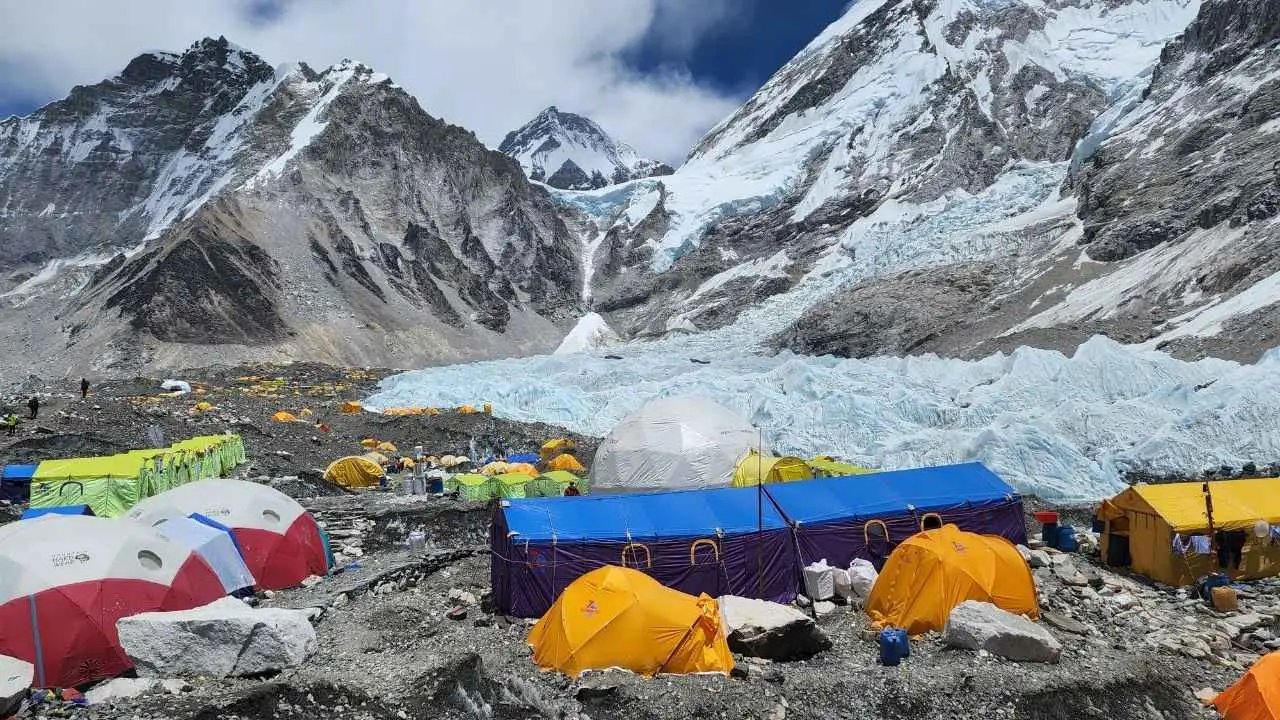
Reach Everest Base Camp beside the Khumbu Icefall, where Everest expeditions begin.

Climb to Kala Patthar for unforgettable sunrise views of Mount Everest and surrounding peaks.
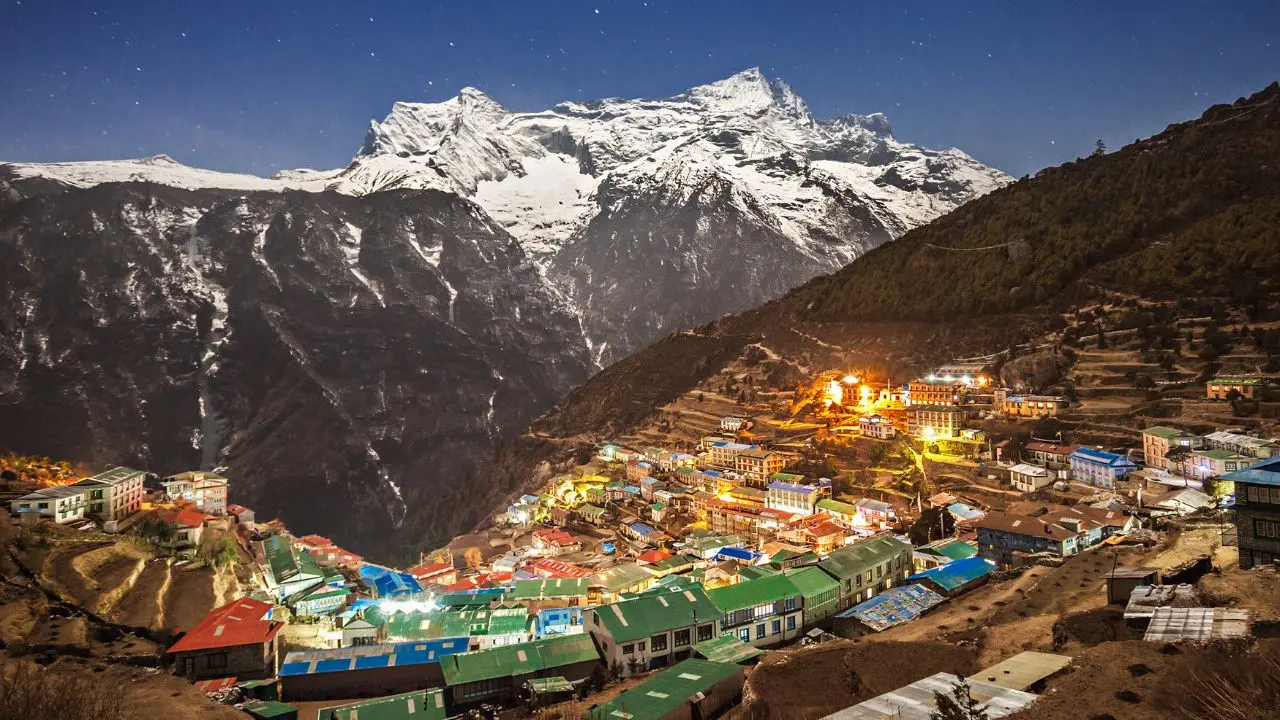
Explore the Sherpa trading town and gateway to the Everest region.
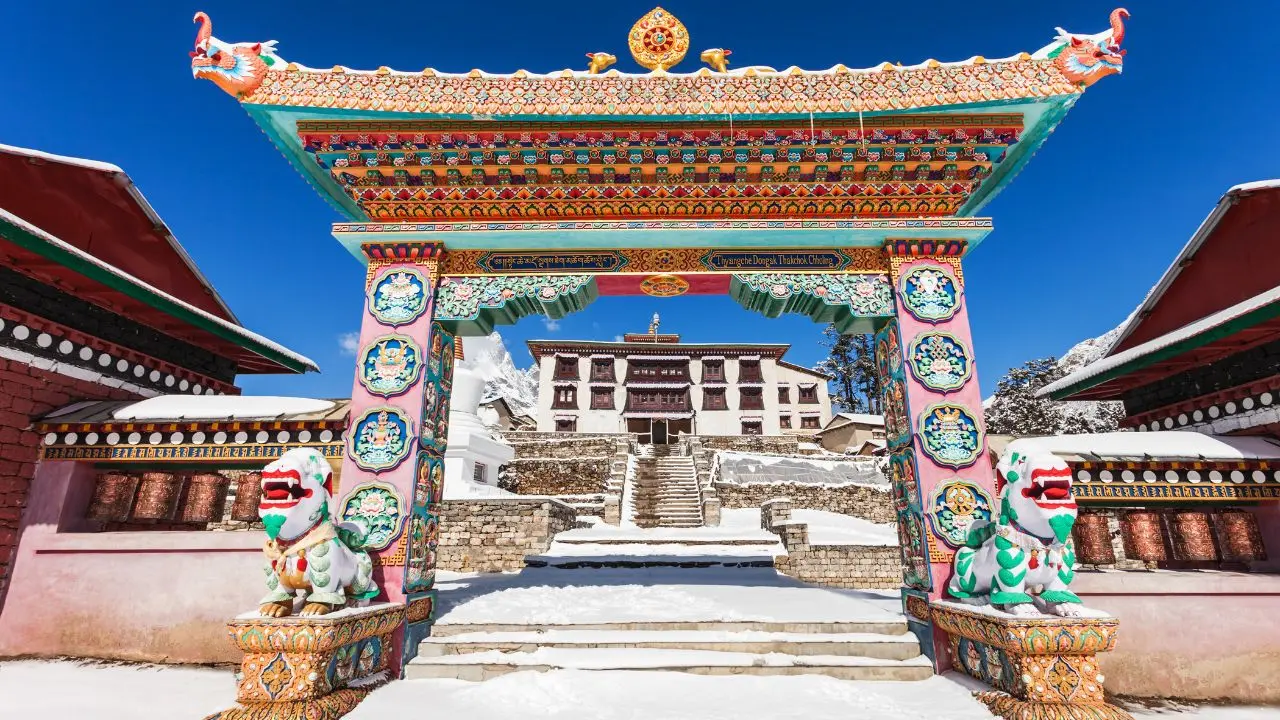
Visit the Khumbu's largest Buddhist monastery, right in Ama Dablam's shadow.
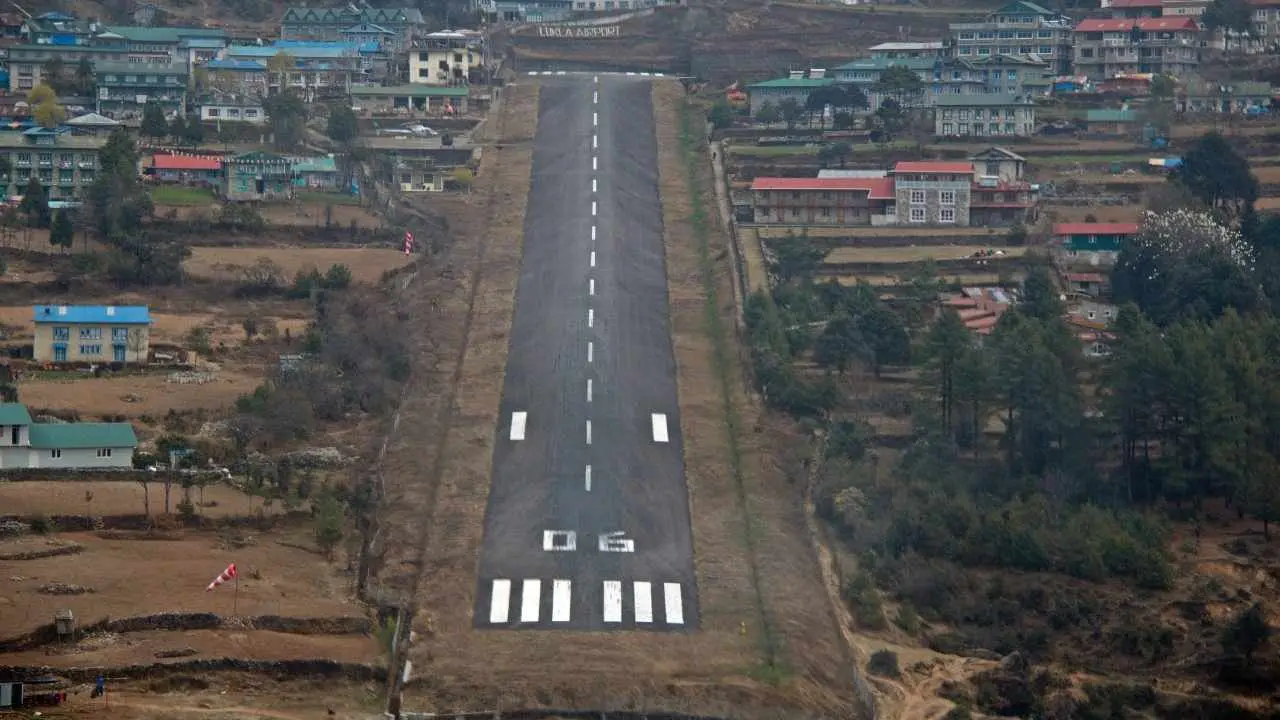
Experience a spectacular mountain flight before starting your Everest adventure.
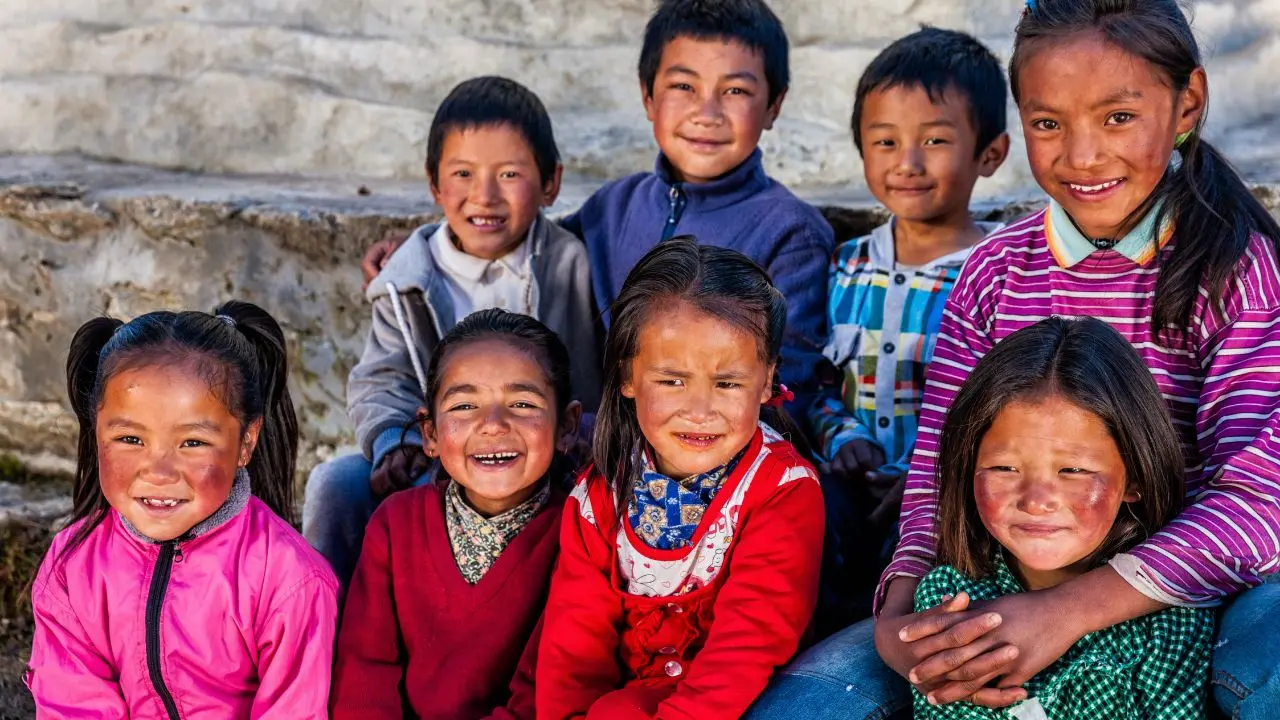
Discover Sherpa traditions, monasteries, teahouses, and warm Himalayan hospitality along the trail.

This is our standard 14-day Everest Base Camp Trek itinerary. The trek starts in Kathmandu with a flight to Lukla (2,860 m), then follows the trail through Namche Bazaar, Tengboche, Dingboche, Lobuche, and Gorakshep to Everest Base Camp (5,364 m) and Kala Patthar (5,545 m). We include acclimatization days at Namche Bazaar and Dingboche to give your body time to adjust to the increasing altitude. Here is the day-by-day itinerary, including walking time, distance, altitude, and where you sleep each night.
The 14-day Everest Base Camp Trek costs USD 1,399 per person for both group joining and private treks. The package includes Kathmandu accommodation, domestic flights, trekking permits, teahouse accommodation, meals during the trek, a government-licensed guide, porter service, airport transfers and the services listed in the package inclusions.
Fixed departure dates, shared with other trekkers.
Same price, your own dates, your own pace, no other trekkers.
We can arrange a customized itinerary if you want to change the standard program.
From your first inquiry to the start of your trek, here is how we arrange everything.
We'll reply with your itinerary, detailed quotation, and answers to your questions, helping you choose the best option for your trek.
Reserve your trek by paying the required deposit. We'll confirm your booking and send all essential travel information before your arrival.
We'll help you prepare with packing advice, travel tips, permit information, and pre-departure guidance, so you arrive in Nepal ready to trek.
Important: Travel insurance is not included in the package. Before your trek, you must purchase a policy that covers high-altitude trekking (up to at least 6,000 m) and emergency helicopter evacuation.
This trek is right for you if you want to reach Everest Base Camp on foot but do not have enough time for the full return journey. You still need to be comfortable with several days of uphill walking at high altitude, but once you...
You’ll stay in teahouses every night along the route, with simple twin rooms and shared bathrooms. Facilities become more basic as you climb higher. In Kathmandu, you’ll stay in a hotel with a private room. For more details, see our Everest Base Camp Trek Accommodation Guide.
Teahouses serve breakfast, lunch, and dinner along the route. Menus include dal bhat, momo, noodles, pasta, pizza, rice, potatoes, soups, eggs, pancakes, and bread. For more details, see our Everest Base Camp Trek Food & Drinks Guide.
What should you pack for the Annapurna Base Camp Trek? Pack trekking clothes, warm layers, a waterproof jacket, trekking boots, a sleeping bag, sunglasses, sunscreen, personal medication, trekking poles, and a water bottle. Carry your main gear in a duffel bag and keep water, a jacket, snacks, and personal items in your daypack.
For the complete checklist, see our Annapurna Base Camp Trek Packing List, covering clothing, footwear, sleeping gear, toiletries, electronics, and travel documents.

Challenging. The Everest Base Camp Trek involves high altitude, long walking days, steep sections, and several days of continuous trekking. Base Camp is at 5,364 m, while Kala Patthar reaches 5,545 m.
No technical climbing skills are needed. See our Everest Base Camp Trek Difficulty Guide for more detail.
Training should prepare you for long walks, elevation gain, and repeated walking days. Start several weeks before the trek and increase your walking time gradually.
Break in your trekking boots before departure. See our Everest Base Camp Trek Training Guide for detailed preparation.
The best times for the Everest Base Camp Trek are March to May and late September to November. These months generally bring clearer mountain views, more stable weather, and comfortable daytime temperatures. The trails are also busy during these periods, especially in April, October, and November. For a month-by-month breakdown of weather, trail conditions, and what to expect, see our Best Time to Trek to Everest Base Camp guide.
March to May is a good time for Everest Base Camp, with rhododendrons in bloom below and generally clear weather higher up. April and May are busier due to the climbing season.
June to August is monsoon season. The Everest region gets less rain than many parts of Nepal, but clouds, rain, and flight delays are more common. The trail is much quieter.
Late September to November is the busiest time on the trail. October usually offers the most reliable conditions and mountain views, while November brings colder mornings and nights.
December to February is the coldest period. Snow can affect the higher sections, and nights at Gorak Shep can be very cold. The trail is quieter, with clear winter mornings on many days.
Not sure which route fits you? Compare the key facts side by side.
| Feature | Everest Base Camp Trek | 14 Days itinerary, Cost & Best Time | Annapurna Base Camp Trek | 10 Days, Cost & Itinerary 2027 |
|---|---|---|
| Duration | 14 Days | 10 Days |
| Highest Point | Kala Patthar – 5,545 m | Annapurna Base Camp – 4,130 m |
| Difficulty | Challenging | Moderate |
| Best For | Everest views & Sherpa culture | Shorter trek & close-up mountain views |
| Mountain Highlights | Everest, Lhotse, Nuptse, Ama Dablam | Annapurna I, Machhapuchhre, Annapurna South |
| Landscape | High-altitude valleys, glaciers & rugged terrain | Forests, villages, waterfalls & alpine landscapes |
| Culture | Sherpa & Tibetan Buddhist culture | Gurung & Magar culture |
| Crowds | Higher | Moderate |
| Trek Experience | Longer, higher & more demanding | Shorter, lower & more accessible |
After many years on the Everest trail, I know an Everest Base Camp trek takes more than choosing a route and booking flights. These guides explain what you need to arrange and expect, from training, weather, insurance, visas and permits to Lukla flights, electricity, internet, extra costs and tipping. You can also learn about Sherpa culture, Buddhist monasteries, local villages, trekking with family, and travelling solo.
Altitude sickness is a reaction to reduced oxygen at high elevation and can occur above 2,500 m. The Everest Base Camp Trek climbs above 5,000 m, where the lower oxygen level puts greater stress on your body. Headache, nausea, dizziness, tiredness, reduced appetite, and poor sleep can be early signs. Walk slowly, follow the acclimatization schedule, and tell your guide if symptoms appear. If symptoms worsen, stop ascending and descend.
In an emergency: Your guide will assess the situation and arrange the next steps, including evacuation if needed. If you require medical treatment, our team can also help coordinate your return to Kathmandu and assist with reaching a suitable hospital or clinic.
For practical advice on altitude sickness, including early signs, prevention, and what to do when symptoms appear, see our Everest Base Camp Altitude Sickness Guide.
FeaturedA few things are worth arranging before you arrive in Nepal. Choose your trekking season, check your travel insurance, prepare your visa and permits, and understand the flight arrangements to Lukla. During the main trekking seasons, flights may operate from Ramechhap, so leave some room in your schedule in case weather affects the flight.
Riddhi
India
Javier
Singapore
Jaya
Singapore
Find answers to the most common questions about the Everest Base Camp Trek, including difficulty, altitude, accommodation, permits, costs, and preparation.
Still have questions? Our team responds within 24 hours.
[email protected]
Registered tourism company

Trekking Agencies Association

Authorised tour operator

Nepal Mountaineering Association
Certificate of excellence

International travelers
Everest Base Camp Trek | 14 Days itinerary, Cost & Best Time . 14 Days