


Memorable trek
Rajendran
Singapore
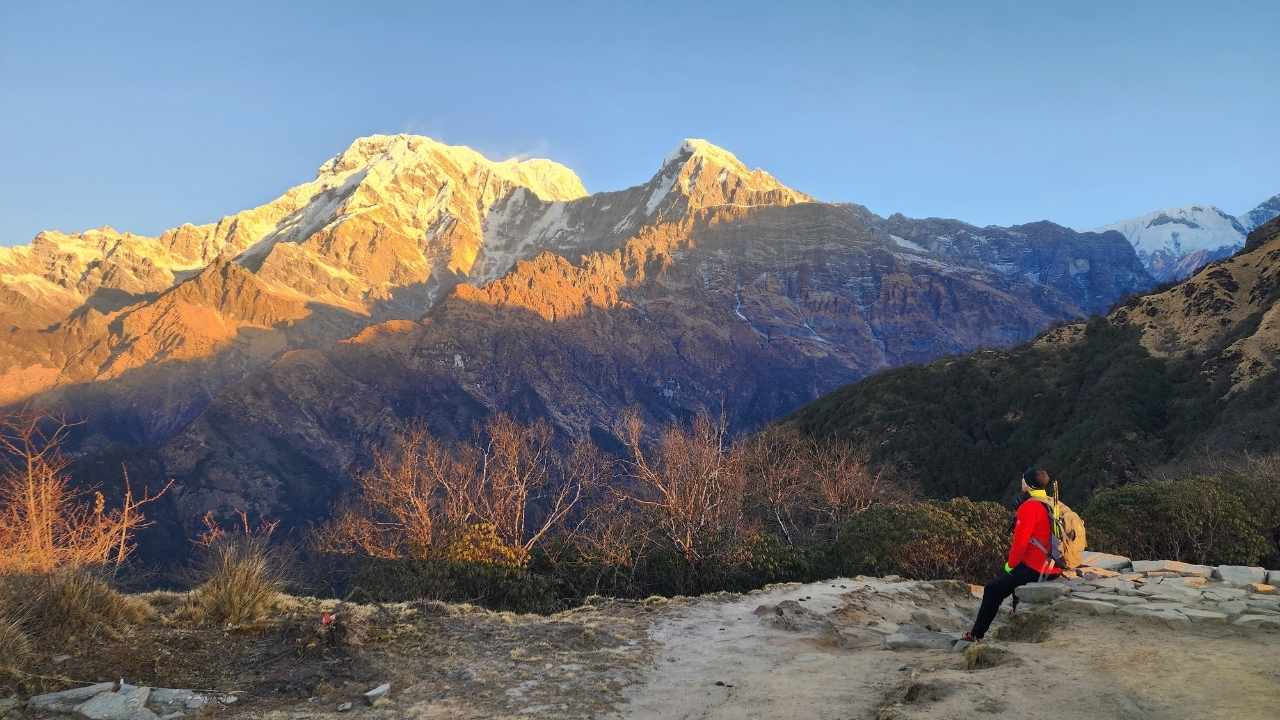
A short trek through forest and mountain villages that ends at Base Camp, with Machhapuchhre standing right in front of you.
The Mardi Himal Trek is considered a short-distance trek from Pokhara to Mardi Himal Base Camp at 4,500 m, starting through villages and forest before reaching high mountain ridges with close views of the surrounding Himalayas.
One thing I enjoy about guiding Mardi Himal is watching the trail change as we move higher. The lower section still feels connected to village life: farmland, forest, and people using the same paths for their daily work. Higher up, that gradually disappears and the ridge becomes the whole experience. By the time we reach High Camp, the surroundings feel completely different from where we started that morning.
We start with a drive out of Pokhara toward Deurali via Dhampus, where the trail leaves the road behind and the climbing starts in earnest.
The trail continues through oak and rhododendron forest, past Forest Camp, Low Camp, and Middle Camp, with only a few teahouses along the way. It’s quiet and cool, and the forest remains the main feature until you reach Badal Danda, where the trees end without warning and it’s all open ridge above roughly 3,200 m.
One turn and you’re standing above the treeline, and most people stop walking right there, just to look. From that point on, you’re following the ridgeline itself, narrow in places, with drop-offs that look worse than they walk.
Day three is base camp. By the time you’re standing there, there’s nothing left: no trees, no birdsong, just rock, sky, and a view close enough that you can pick out individual ridgelines instead of one white shape in the distance. Most groups stay longer than planned. There’s no rush to head back down once you’ve made it that far.
Coming down feels like a different trek. Faster underfoot, and once the forest closes back in, it’s worth actually noticing the birdsong and the change in temperature. Then, just as suddenly as it ended, the forest gives way one last time, and you drop into Siding village, where the trek ends and a jeep takes you back to Pokhara.

Ready to go?
Download Day-by-Day Itinerary
Don’t rush just because it’s a short trek. The altitude comes fast, and the best part isn’t reaching the top: it’s everything on the way there. Walk at your own pace, stop when the mountains open up in front of you, and take a moment to enjoy that first clear view of Machhapuchhre. That’s what people remember, not the number on the altitude sign. And plan your dates around the season, too: the difference between a clear morning at the viewpoint and a morning covered in clouds often comes down to when you choose to go.
Total Distance
Walking Days
Accommodation
Meals
Transportation
Group Size
Guide
Porter
Best Season
Fitness Level
Permit
Trip Style
Starts
Ends
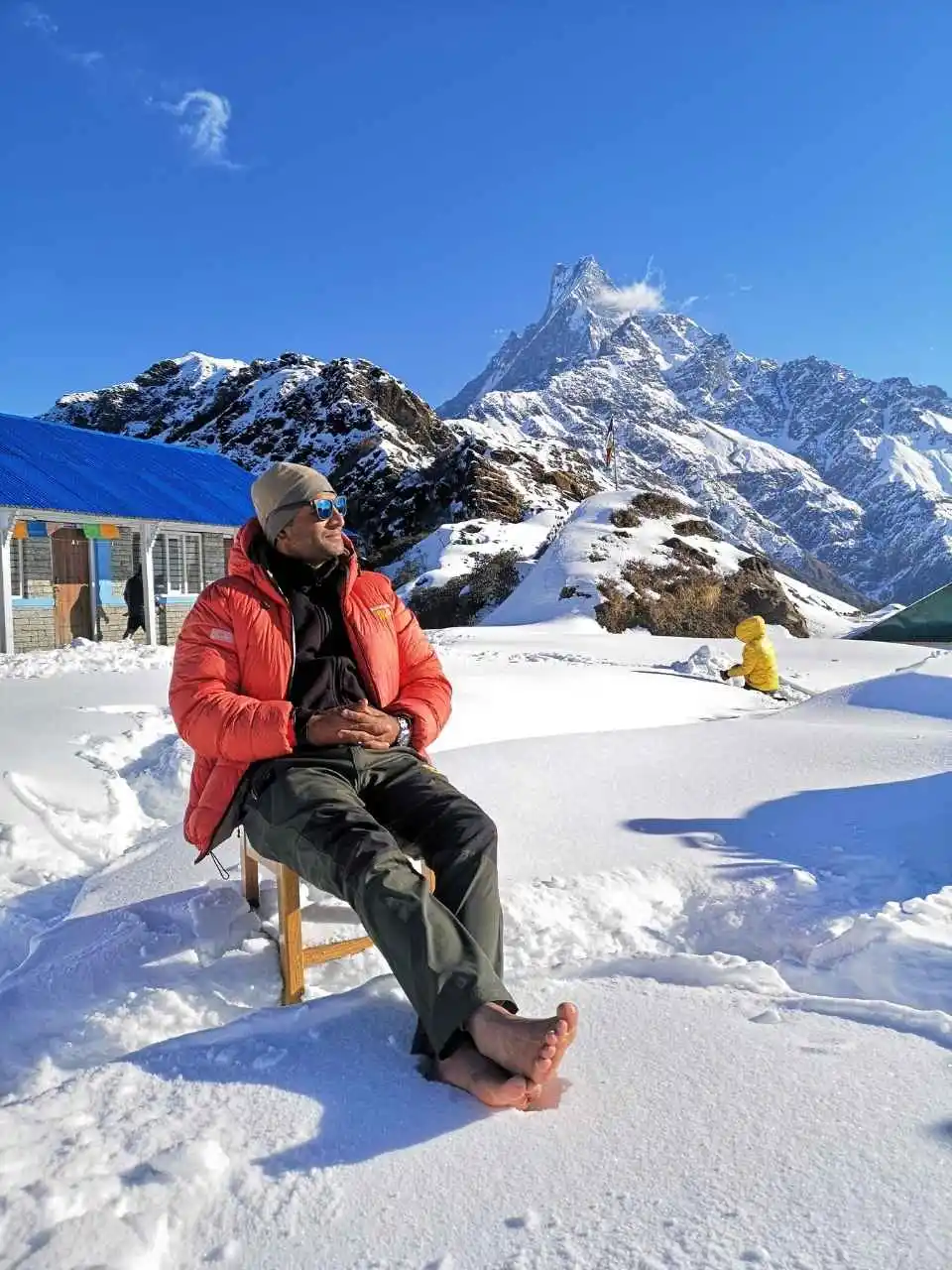
Choose Mardi Himal if you want a short trek that takes you from villages and forest to a high Himalayan ridge in just a few days. I’ve walked this trail more than 50 times. The lower part passes farmland, villages and rhododendron forest. Above High Camp, the trees thin out and the trail follows the open ridge, with Machhapuchhre directly ahead.
From the ridge, you can see Machhapuchhre, Annapurna South and Hiunchuli from much closer than you do on the lower trail. At Mardi Himal Base Camp, around 4,500 m, there is almost nothing left between you and the mountains except the open ridge. That change from forest to high alpine terrain is the main reason I recommend this trek to people who have limited time but still want to walk above 4,000 metres.
You can reach High Camp in two days of walking, then continue to Mardi Himal Base Camp via the viewpoint the next morning before returning to the lower trail.
The first day takes you through oak and rhododendron forest. On the second day, after a couple of hours on the trail, the trees gradually disappear and the landscape opens onto the ridge. On day three, you continue to Mardi Himal Base Camp and return the same way.
From the upper trail, Machhapuchhre stands directly ahead, with Annapurna South and Hiunchuli also visible across the valley.
Mardi Himal sees fewer trekkers than the main Annapurna Base Camp and Everest Base Camp routes, especially on the higher sections.
You don’t need weeks away from work for this trek. Depending on your route and transport, Mardi Himal can fit comfortably into a week.
If you’re planning a Mardi Himal Trek, choose a company that knows the route well and has experienced, licensed guides who understand the trail and changing mountain conditions. Although Mardi Himal is a shorter trek, the route reaches around 4,500 m at Base Camp and includes steep sections where weather and trail conditions can change quickly. Before booking, check the guide’s experience, the daily itinerary, accommodation and transport arrangements, what is included in the package, and how the company handles weather changes and emergencies.
Started as a Trekking Porter
Became a Licensed Guide
Founded Mountain World Treks
Still Actively Guiding Treks in Nepal
Mardi Treks Guided by Founder
Treks Led by Founder Saligram
Trekkers Guided by Our Team
Years from Porter to Founder
All our guides are licensed by the Government of Nepal and have 10+ years of Himalayan trekking experience
we provide support before and during your trek, assisting with planning, logistics, and emergencies.
We provide fair wages and better working conditions for porters while following responsible trekking practices.
Our prices are clearly explained from the start, including and excluding without hidden charges.
We limit groups to 12 trekkers, allowing guides to provide better attention, support, and a more personal care along the trek.
Emergency support and helicopter evacuation assistance when needed during high-altitude treks.
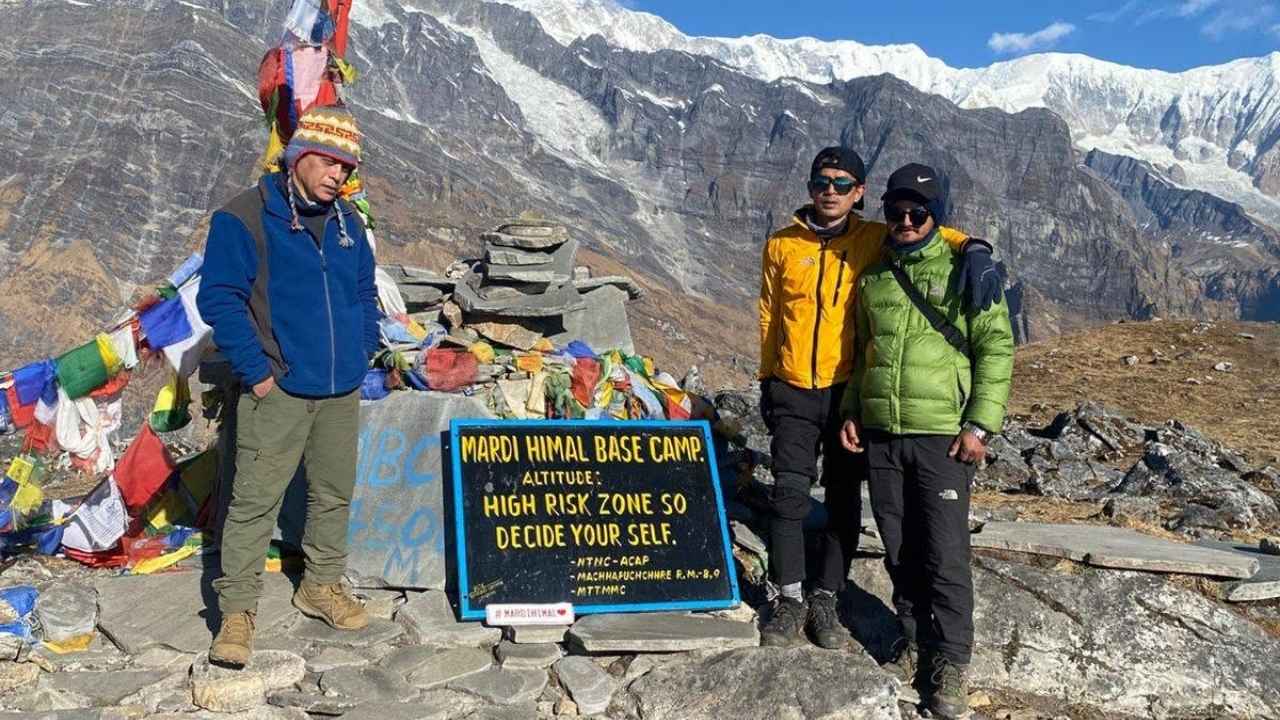
The highest point of the trek at 4,500 m, with Mardi Himal, Machhapuchhre, and Annapurna South around you.

An early climb from High Camp takes you above the treeline before first light, with the mountains changing color as the sun comes up.
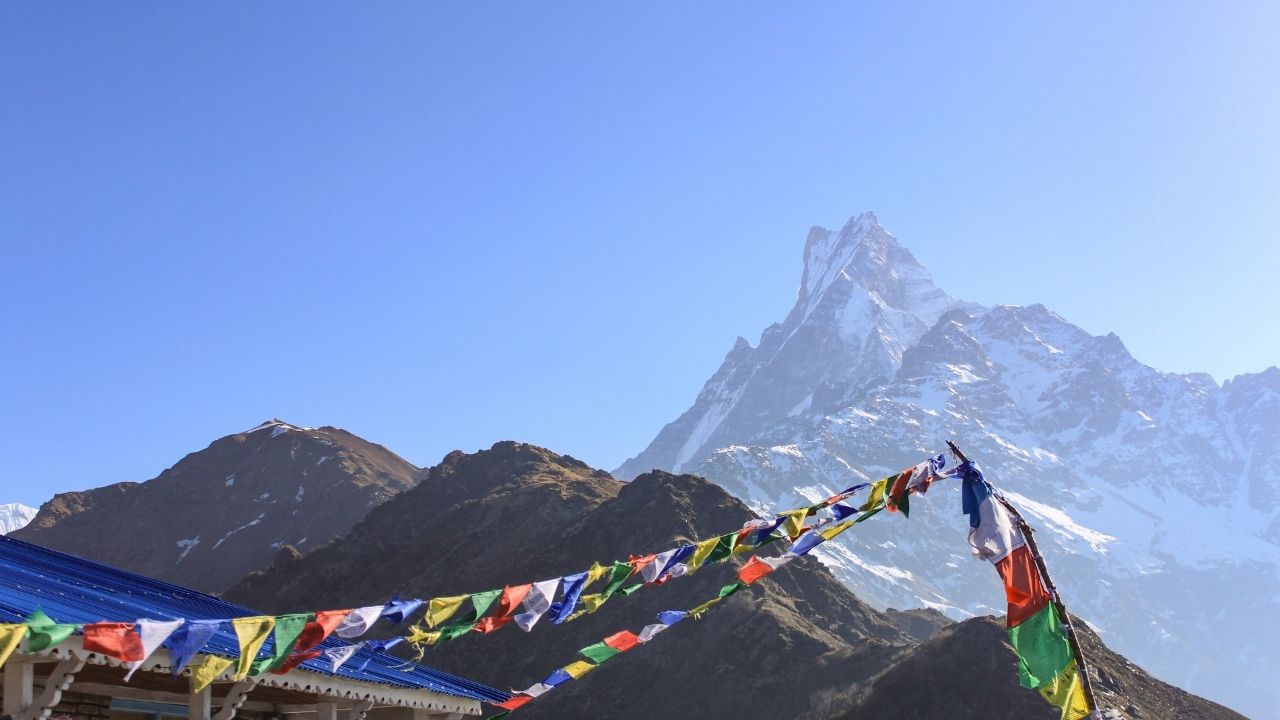
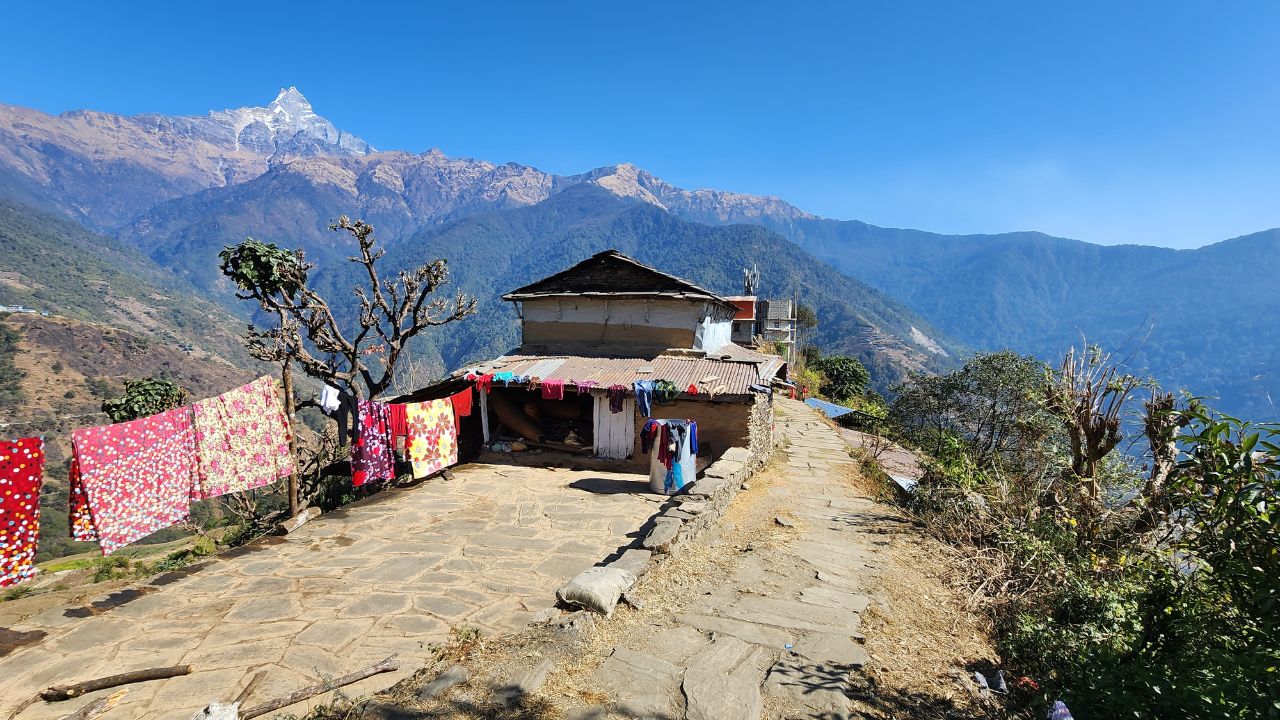
The upper ridge brings you close to Fishtail Mountain, with clear views as you walk toward base camp.

Where the forest gives way to open ridge, with clouds often sitting in the valleys below.

Shaded, quiet walking through the lower section, especially colorful in spring when the rhododendrons bloom.
The trail is less busy than the Everest or Annapurna routes, offering a more peaceful journey through the mountains.

This is the exact 9-day itinerary I follow on every Mardi Himal trek I run. Starting in Kathmandu, we travel to Pokhara, then drive to Kande to begin trekking through Deurali, Forest Camp, and High Camp before reaching Mardi Himal Base Camp at 4,500 m. From Siding village, a short drive brings you back to Pokhara, and from there to Kathmandu. Below, you’ll find the daily itinerary, overnight elevations, walking times, and practical advice based on my years leading treks in the Annapurna region.
The Mardi Himal Trek starts at USD 699 per person. That covers your airport transfers, transport between Kathmandu, Pokhara, and the trailhead, hotel stays, trekking permits, teahouse accommodation, three meals a day on the trek, your guide and porter, and all government taxes. It doesn’t cover your visa, travel insurance, personal spending, drinks, or tips for your guide and porter.
Trek with like-minded adventurers. Departures every spring and autumn season.
8-day package, your own dates and pace. Licensed guide and porter for your group.
Add helicopter returns, l extension treks & Sightseeing, or photography guides.
Important: Travel insurance is not included in the package. Before your trek, you must purchase a policy that covers high-altitude trekking (up to at least 4500 m) and emergency helicopter evacuation. for emergencies.
The Ghorepani Poon Hill Trek is a 7-day itinerary with 3 days of walking through the lower Annapurna region. Along the way are Dhaulagiri and Annapurna views, hill villages, rhododendron forests, and teahouse stays without the demands of high-altitude trekking. The trip begins with a...
Accommodation During the Mardi Himal Trek
During the trek, you’ll stay in locally run teahouses along the Mardi Himal route. These small lodges offer simple rooms, home-cooked meals, and a place to rest after each day on the trail. The standard of accommodation has also improved along the route, with newer and better-maintained teahouses in many areas.
In Kathmandu, you’ll stay at a comfortable 3–4-star hotel before and after the trek, with private rooms, hot showers, Wi-Fi, and a comfortable place to prepare for and recover from your trek. For a closer look at teahouses, room facilities, and accommodation standards along the trail, read our Mardi Himal Trek Accommodation Guide.
Teahouses along the Mardi Himal route serve Nepali meals alongside noodles, pasta, momos, soups, and other familiar dishes. Food is available throughout the route, including at High Camp, where you can enjoy a good selection of meals and hot drinks. Everything you need to know about meals, costs, and drinking water is covered in our Mardi Himal Food & Drinks Guide.
Moderate. No ropes, no glacier crossing. Just a walk that gets steeper the closer you get to base camp, and a final stretch that asks more of you than the first three days did.
What actually gets people:
New to high-altitude trekking? Our Mardi Himal Difficulty Guide covers the route section by section.
Steady beats fast on this trail. Hill walking, stairs, and a couple of longer hikes in the month before you fly matter more than anything you do in a gym. You’ll also be carrying a light daypack all day, so get used to that too.
You’ll do fine here if you:
March to May and late September to November generally offer the best combination of stable weather, good trail conditions, and clear mountain views. Spring brings rhododendrons in bloom, while autumn usually has the clearest skies after the monsoon. Our Best Time to Trek to Mardi Himal guide covers each month in more detail.
Rhododendrons bloom along the lower forest trail, and Machhapuchhre and the Annapurna range are often visible higher up.
Monsoon rain can make the forest trail muddy and slippery, while clouds often cover the mountain views. The lower sections stay green, and there are fewer trekkers on the trail.
The skies usually clear after the monsoon, mornings are cooler at higher elevations, and Mountain views are often at their best.
Cold weather & occasional snow affect the higher sections. The trail is quieter, and cold mornings still offer excellent mountain views.
Not sure which route fits you? Compare the key facts side by side.
| Feature | Mardi Himal Trek | Itinerary, Cost & Difficulty 2026/27 | Annapurna Base Camp Trek | 10 Days, Cost & Itinerary 2027 |
|---|---|---|
| Duration | 8 Days | 10 Days |
| Highest Point | Mardi Himal Base Camp - 4,500 m | Annapurna Base Camp - 4,130 m |
| Difficulty | Easy to Moderate | Moderate |
| Best For | Beginners to Experts | Beginners to Experts |
| Mountain Highlights | Machhapuchhre, Annapurna South, Hiunchuli & Mardi Himal | Machhapuchhre, Annapurna South, Hiunchuli & Annapurna I |
| Landscape | Forest to High Ridge | Villages, Forest & High Mountain Valley |
| Culture | Gurung Villages | Gurung & Magar Villages |
| Crowds | Moderate to Busy in Peak Season | Moderate to Busy in Peak Season |
| Trek Experience | Villages, Forest Trails, & Alpine Ridge | Stone Steps, Forest Trails & Mountain Sanctuary |
Before leaving Pokhara, it helps to know what the trail is like and what you need to arrange. Our guides cover weather, permits, insurance, transport, packing, food, accommodation, electricity, internet, extra spending and tipping. You can also read about the villages and communities along the route, trekking with family, and travelling alone.
The trail climbs from the lower hills to High Camp and then above 4,000 m, so the upper part needs more care. Headache, nausea, dizziness, unusual tiredness and poor sleep can be signs that your body is having trouble with the altitude. Tell your guide if you feel unwell, and do not keep climbing if your symptoms are getting worse.
If there is an emergency: Your guide will check your condition and decide what to do next. This may mean stopping for the day, going lower, arranging transport or organizing an evacuation. If you need medical treatment, our team can help arrange your return to Pokhara or Kathmandu.
For more detail, see our Mardi Himal Altitude Sickness Guide.
Your main preparations are choosing the season, arranging insurance and permits, sorting out your trekking gear and organizing the drive from Pokhara to the trailhead. Check the weather before leaving Pokhara as conditions can be quite different at High Camp.
The Mardi Himal Trek starts in the hills above Pokhara and climbs through villages and rhododendron forest before reaching the open ridge above High Camp. From there, the trail continues toward Mardi Himal Base Camp at around 4,500 m, with Machhapuchhre directly ahead and Annapurna South and Hiunchuli across the valley. Our complete guide covers the itinerary, difficulty, seasons, altitude, food, accommodation, packing, permits, transport, cost and the other details you will need before starting the trek.
Rajendran
Singapore
Yassir
Malaysia
Mathew
New York City, New York
Quick answers to common questions about the Mardi Himal Trek, including difficulty, altitude, permits, costs, accommodation, and preparation.
Still have questions? Our team responds within 24 hours.
[email protected]
Registered tourism company

Trekking Agencies Association

Authorised tour operator

Nepal Mountaineering Association
Certificate of excellence

International travelers
Mardi Himal Trek | Itinerary, Cost & Difficulty 2026/27 . 8 Days