
Trek to ABC
Lucy
Malaysia
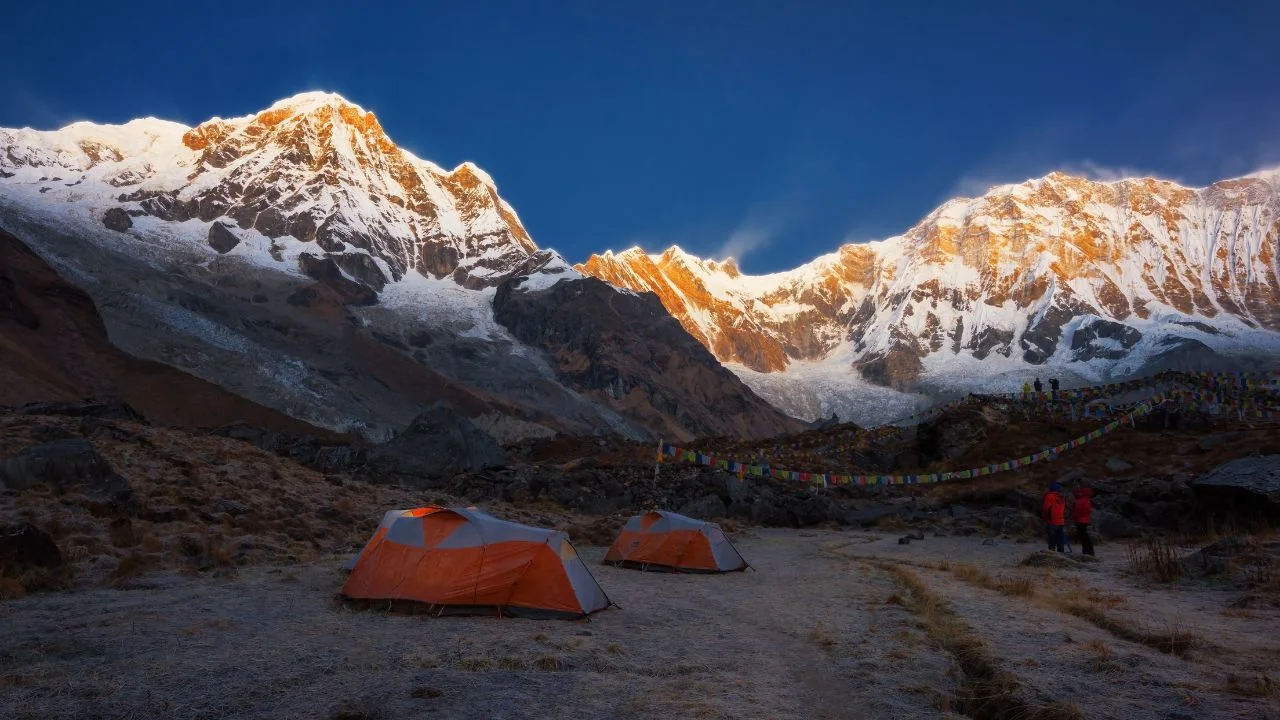
The Annapurna Base Camp Trek takes you through Gurung villages, rhododendron forests, and diverse Himalayan landscapes before reaching Annapurna Base Camp 4,130 m.
The Annapurna Base Camp Trek takes you through many different landscapes. You start with villages and farmland, then walk through forests and narrow valleys before reaching the high mountain area of the Annapurna Sanctuary. The trek reaches Annapurna Base Camp at 4,130 m and is suitable for trekkers with reasonable fitness.
I started working in the Himalayas as a porter in 1996 and later became a government-licensed trekking guide. Since then, I have guided trekkers on Annapurna Base Camp and many other routes in Nepal.
One thing I tell people before starting this trek is not to judge it only by its highest point.
The altitude is 4,130 metres, but the trail can be tiring because of the many climbs and descents. Around Chhomrong, for example, there are long sections of stone steps. You may climb for a while and then lose some of that elevation again.
The trail also passes through working mountain villages. On some lower sections, you may meet donkeys carrying food and other supplies between villages. When they come toward you, give them enough space and wait if the trail is narrow.
There are several suspension bridges along the route. Some are short, while others cross deeper sections of the valley. Take your time when crossing, especially when there are other trekkers or animals on the bridge.
In the lower forest sections, you may also come across stinging nettles. During the rainy season, leeches are common in wet areas.
From Deurali onward, the landscape becomes more open and some parts of the trail are exposed to avalanche risk. Conditions can change after snowfall or bad weather. Your guide will check the situation and tell you where to walk and where it is safe to stop.
Most walking days take around 5–7 hours, although the actual time depends on the route, weather and pace of the group. I prefer to keep a steady pace. There is no need to walk fast at the beginning of the day and arrive at the next lodge exhausted.

Ready to go?
Download Day-by-Day Itinerary
Our Annapurna Base Camp Trek package includes tourist bus transportation from Kathmandu to Pokhara and back to Kathmandu. The bus takes around 7 to 8 hours, depending on road and traffic conditions.
You can upgrade to a flight or private vehicle instead of the tourist bus. Contact us before booking the trek if you want to change the transport option. We will provide the additional cost and transport arrangements before you book.
Total Distance
Walking Days
Accommodation
Meals
Transportation
Group Size
Guide
Porter
Best Season
Fitness Level
Permit
Trip Style
Starts
Ends

ABC is a straightforward trekking route for Adventure lovers who want to reach a high Himalayan destination without joining a technical climbing expedition. The package is operated by a Nepal-based trekking company with a licensed guide and porter support.
The route combines several days of walking, overnight stops and a final destination rather than a short mountain excursion.
You can complete the standard route without tents, ropes, ice axes or other technical climbing equipment
The trek includes a licensed guide and porter support, with accommodation and meals arranged along the route.
ABC can suit first-time Himalayan trekkers as well as people who already have experience on mountain trails.
Choosing a trekking company is about more than price. It is about who arranges your trek, supports you on the trail, and handles changes when conditions require it. Saligram’s experience as a porter, guide, and company owner shapes how we run our treks.
Saligram Started as a Trekking Porter
Became a Licensed Trekking Guide
Founded Mountain World Treks
Still Actively Guiding Treks in Nepal
Years of Experience, Porter to Founder
Our guides know the villages, teahouses, bridges, stone steps, and higher sections of the ABC trail.
We arrange permits, transport, teahouses, meals, guides, and porters and brief you on each day.
Groups are limited to 12 trekkers, so guides can follow the group’s pace and give more attention.
Weather, trail conditions, or illness can change the plan. Our guides assess the situation and adjust.
Ask us about the route, accommodation, food, walking days, or inclusions before booking.
Saligram started as a porter, so he understands the work, loads, and conditions porters face on the trail.
A good choice for first-time trekkers who want to reach a Himalayan base camp in 10 days, arrival to departure, passing through villages, forests, and the Annapurna Sanctuary. No previous trekking experience is required. For more details, see our Annapurna Base Camp Trek for Beginners Guide.
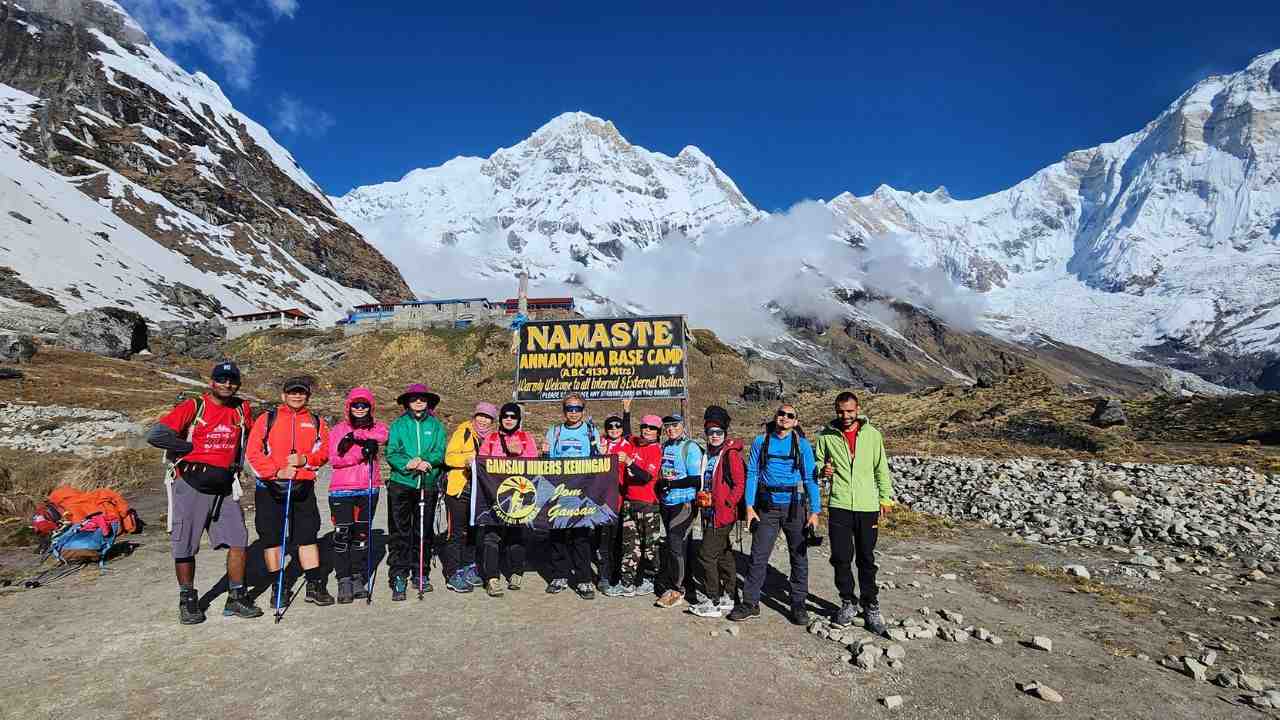
Reach Annapurna Base Camp in the heart of the Annapurna Sanctuary, with high peaks surrounding the base camp.

If the weather is clear, watch the first sunlight reach Annapurna I, Machhapuchhre, Hiunchuli, and Annapurna South.
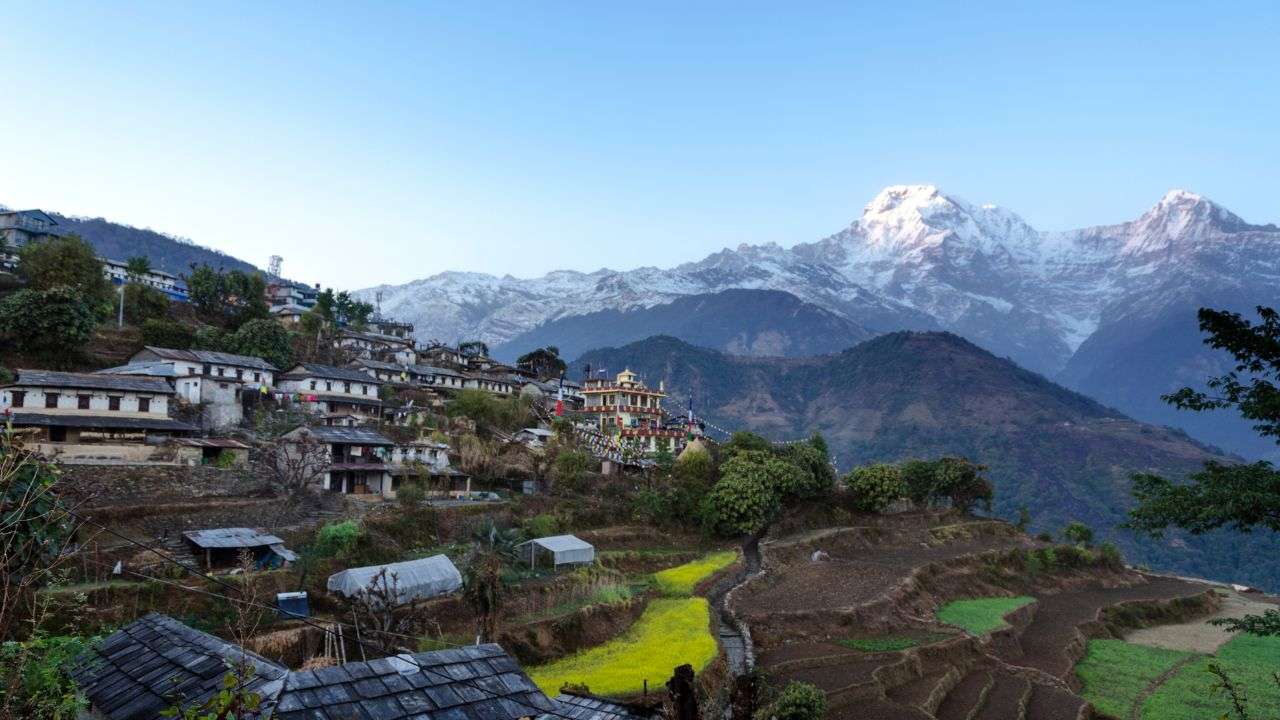
Walk through Gurung villages, see traditional houses and terraced fields, and experience local life along the lower trail.
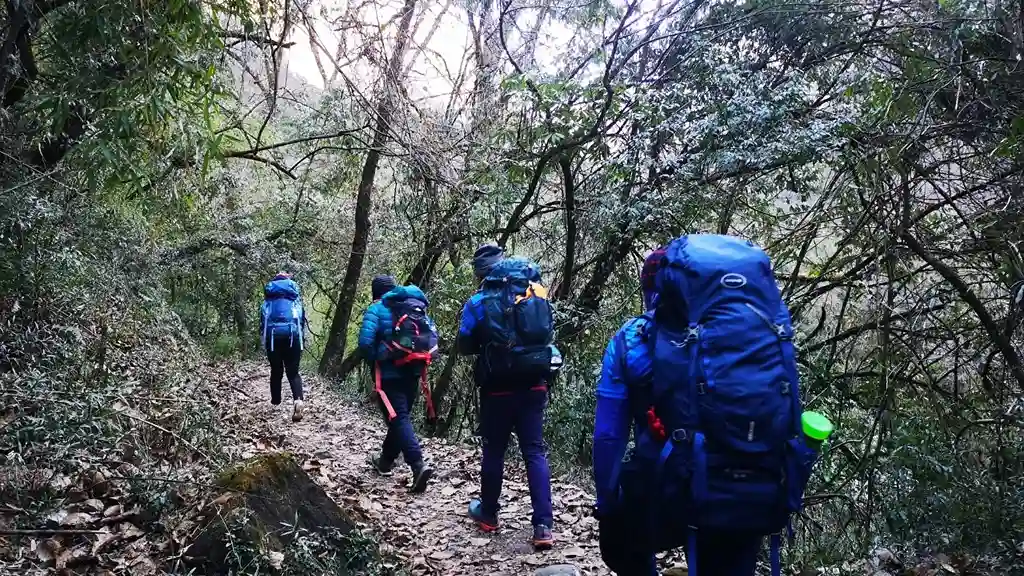
Walk from farmland and villages through bamboo and rhododendron forests, river valleys, and the open terrain above Deurali.
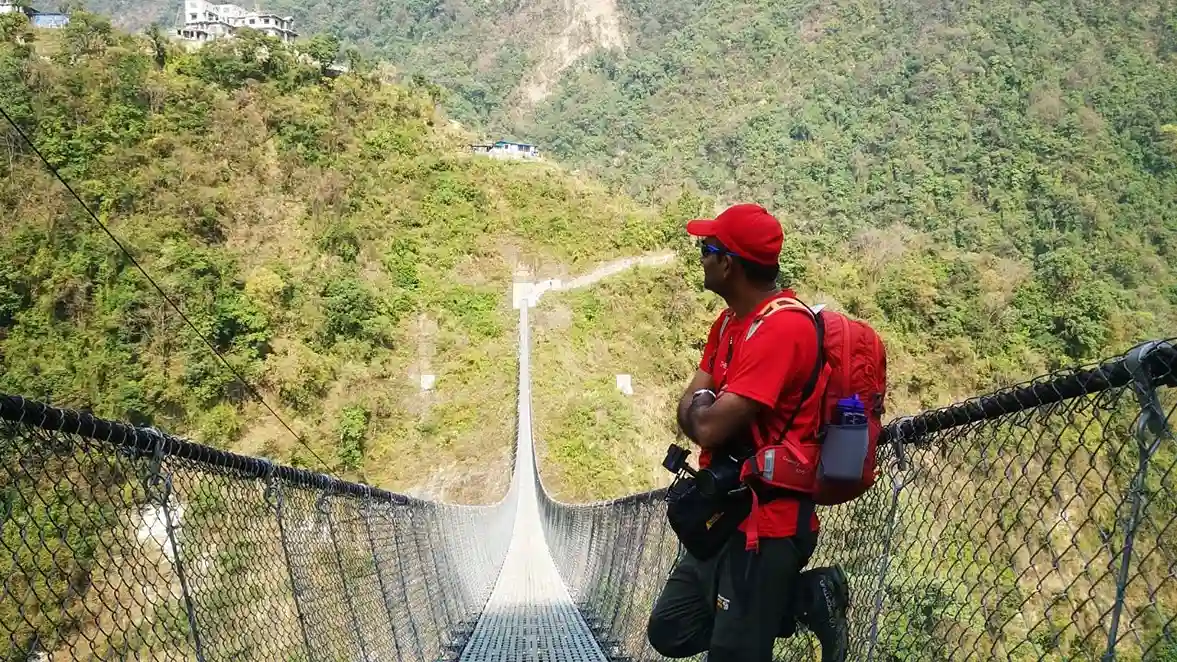
Cross suspension bridges over the Modi Khola and other mountain streams as you move between the villages and higher sections of the route.

From the upper valley, see Annapurna I, Machhapuchhre, Hiunchuli, Annapurna South, and Gangapurna from close range.
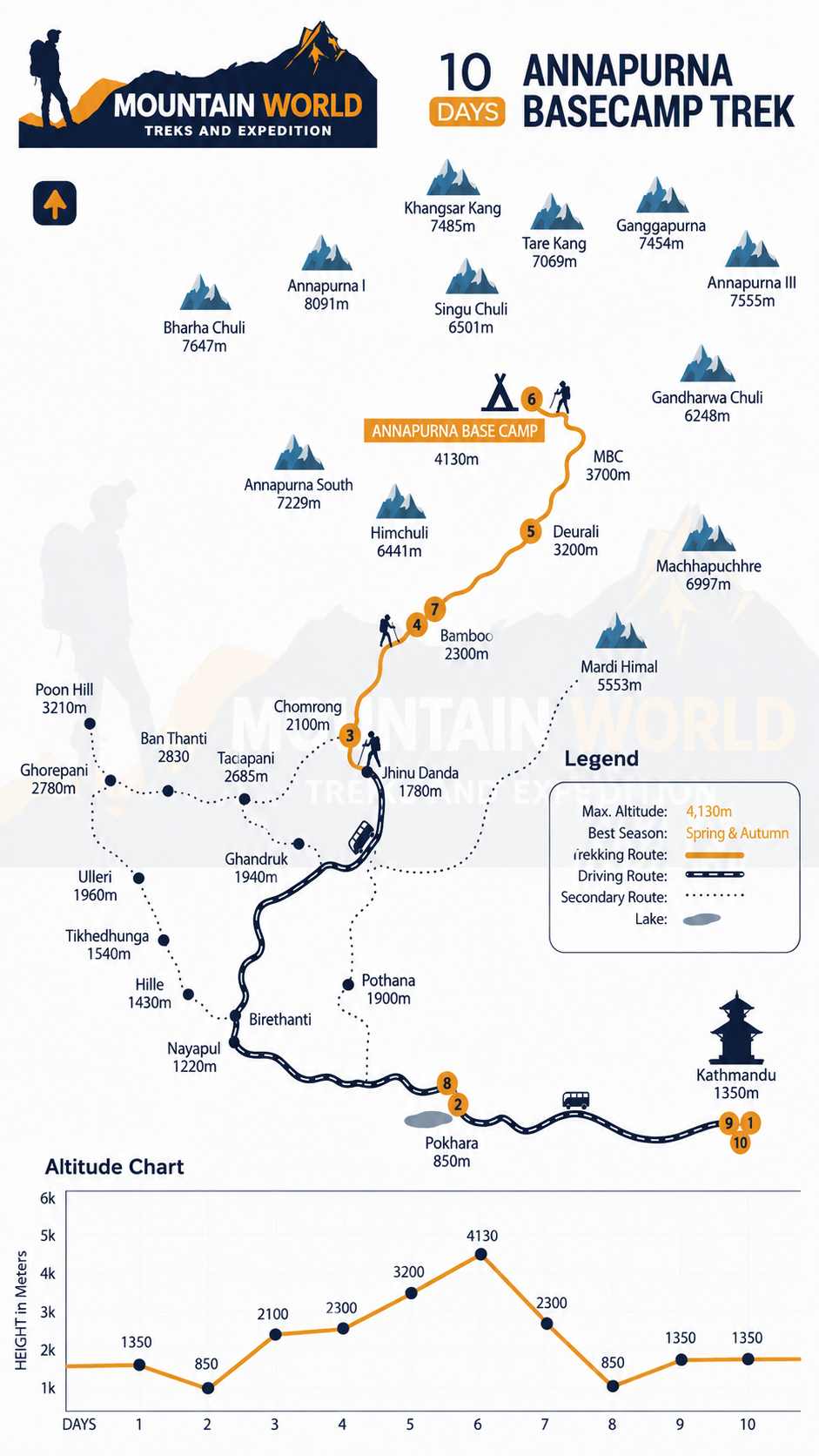
The 10-day journey begins in Kathmandu, continues to Pokhara, and climbs through Chhomrong, Sinuwa, Bamboo, Himalaya, Deurali and Machhapuchhre Base Camp to Annapurna Base Camp at 4,130 m. The descent passes through Bamboo and Jhinu Danda before returning to Pokhara and Kathmandu. Each day includes the route, overnight stop, altitude, walking or driving time, distance, accommodation and meals.
Annapurna Base Camp Trek package starts at USD 699 per person. The package includes airport transfers, Kathmandu–Pokhara transport, hotels, permits, teahouse accommodation, three meals a day, a licensed guide, porter service, and government taxes. Group joining and private treks are the same price. You can choose your own dates and travel privately without paying an extra private-group charge.
Booking your trek with us is straightforward. Tell us what you’re looking for, and we’ll take care of the details with you.
Tell us your trek, preferred dates, and group size.
We’ll recommend the itinerary, answer your questions, and send your quote.
Confirm the itinerary and pay the deposit to reserve your trek.
We’ll send packing advice and arrange your permits and arrival details.
Travel insurance covering high-altitude trekking (up to at least 4,500 m) and emergency helicopter evacuation is mandatory. Learn what your policy should include in our Nepal Trekking Insurance Guide.
Yes, the Manaslu Circuit Trek is suitable if you want a remote route with fewer facilities and are comfortable spending several nights in mountain teahouses. The trek passes through restricted areas and reaches 5,106 m at Larke Pass, so you need to be comfortable with...
You’ll stay in teahouses along the trekking route and hotels in Kathmandu and Pokhara. Teahouse rooms are basic, with shared bathrooms common at higher elevations.
For more details, see our Annapurna Base Camp Trek Accommodation & Food Guide.
Breakfast and dinner are served at your overnight teahouse, while lunch is taken at a teahouse along the day’s route.
Pack for changing weather and cold nights at higher elevations. Bring trekking clothes, warm layers, a waterproof jacket, trekking boots, a sleeping bag, sunglasses, sunscreen, personal medication, trekking poles and a water bottle.
Keep your main gear in a duffel bag and carry daily essentials such as water, snacks, an extra layer and personal items in your daypack. Check our Annapurna Base Camp Trek Packing List for the complete checklist.

The route reaches 4,130 m and includes long staircases, steep climbs, descents and rocky sections. The highest point comes near the end, when altitude and cold can make walking harder. The standard route does not require technical climbing. For more detail, see our Annapurna Base Camp Trek Difficulty Guide.
Start training several weeks before departure. Focus on endurance and leg strength, increasing your workload gradually. Break in your trekking boots before departure. For a detailed preparation plan, see our Annapurna Base Camp Trek Training Guide.
March–May and September–November are the main trekking seasons. June–August brings monsoon rain, while December–February is colder with possible snow at higher elevations. See our Best Time to Trek to Annapurna Base Camp Guide for month-by-month conditions.
Rhododendrons bloom along the lower trail, with generally comfortable daytime temperatures.
Monsoon rain makes trails wet and slippery. Leeches are common in the lower forests.
Stable weather, dry trails, and clear mountain views make autumn the most popular trekking season.
Nights are cold, with possible snow and icy sections at higher elevations.
Explore our practical guides for planning your Annapurna Base Camp Trek, covering the main questions you may have before departure.
Altitude sickness can occur above 2,500 m as your body adjusts to lower oxygen levels. ABC reaches 4,130 m, so symptoms can include headache, nausea, dizziness, unusual tiredness, poor appetite and disturbed sleep. Tell your guide if you develop symptoms and do not continue higher if they get worse.
In an emergency: Your guide can arrange descent, evacuation and medical treatment. Our team can also coordinate transport to Kathmandu and help you reach a hospital or clinic.
For symptoms, prevention and altitude management, see our Annapurna Base Camp Trek Altitude Sickness Guide.
You mainly need to arrange your international flights, Nepal visa and travel insurance before the trek. We handle the rest, including permits, accommodation, transportation, guides, porters and meals, so you can focus on preparing for the journey.
Lucy
Malaysia
Tracy
Singapore
Mohd Syafiq bin Osman
Singapore
Get quick answers about the trail, difficulty, altitude, permits, accommodation, costs, and preparation.
Still have questions? Our team responds within 24 hours.
[email protected]
Registered tourism company

Trekking Agencies Association

Authorised tour operator

Nepal Mountaineering Association
Certificate of excellence

International travelers
Annapurna Base Camp Trek | 10 Days, Cost and Itinerary . 10 Days